
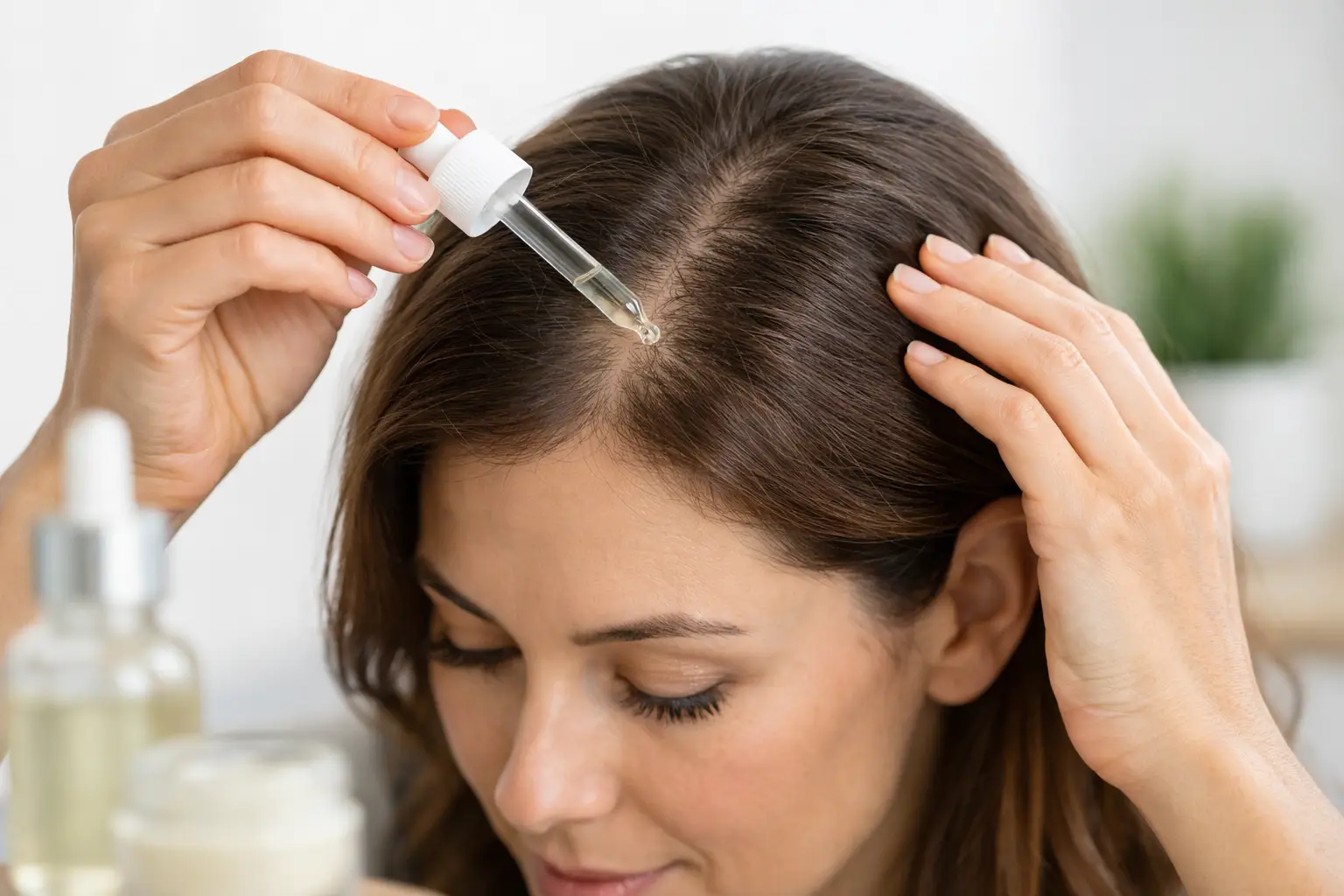
Your roots should not have to look oily for your scalp to feel cared for. A non greasy scalp treatment gives thinning, stressed hair the daily support it needs without flattening your style, coating your strands, or making wash day arrive early.
For many people, that balance is the missing piece. Heavy oils can feel comforting at first, but they may leave fine hair limp, make buildup more noticeable, and discourage the consistency that a healthy hair routine requires. The right treatment should feel light at the root, easy to apply, and realistic enough to use regularly.
Why Heavy Scalp Products Can Work Against Your Goals
Scalp care matters when you are dealing with shedding, slow growth, breakage, or hair that simply looks less full than it used to. Your scalp is where each strand begins, so a routine that keeps the area comfortable and nourished can support the appearance of stronger, healthier-looking hair over time.
But texture matters just as much as ingredients. Thick pomades and oil-heavy blends can be difficult to distribute evenly. On fine, straight, low-density, or easily oily hair, they can settle at the roots and make hair look unwashed. That is not a reason to avoid scalp care. It is a reason to choose a formula and application method that suit your hair.
A lightweight scalp treatment can deliver targeted care while letting your hair keep its movement and volume. It is especially useful if you color, heat-style, wear protective styles, or use dry shampoo often and do not want another layer of residue in your routine.
What Makes a Non Greasy Scalp Treatment Different?
A truly non greasy scalp treatment is designed to absorb quickly rather than sit on top of the skin and hair. It should be easy to place directly along the scalp in small sections, then massage in without leaving a slippery film on your fingertips or a shine at the roots.
Look for a formula with a light, watery or serum-like feel and a precise applicator. Scalp drops are often a smart choice because they help you treat the skin beneath the hair instead of saturating the lengths. Rosemary is a popular botanical for scalp-focused routines, and a well-made rosemary scalp drop can offer a refreshing, wellness-driven alternative to heavy oiling.
The trade-off is simple: a lightweight formula will not give the immediate glossy finish of a rich oil. That is a benefit if your goal is fuller-looking roots and a clean, wearable finish. You can always use a separate conditioner or lightweight leave-in through the mid-lengths and ends where dryness tends to show up most.
What to Avoid if Your Roots Get Oily Fast
If your scalp becomes greasy within a day, more product is rarely the answer. Avoid applying treatment across your entire hair shaft, layering several oily products at once, or using a large amount because your hair feels thin. Thin hair needs strategic support, not saturation.
Also pay attention to buildup. Even a light formula can feel heavy when it is layered over dry shampoo, styling cream, sweat, or several days of natural oil. Start with a clean or mostly clean scalp whenever possible, and use a clarifying wash occasionally if your usual shampoo is not removing residue.
How to Apply Scalp Treatment Without Flattening Hair
The best application is focused, not generous. Part your hair in a few sections, then apply a small amount directly to the scalp rather than onto the hair. Use the pads of your fingers to massage gently for about a minute. There is no need to scrub aggressively or pull at fragile strands.
Let the treatment absorb before adding styling products. If you use it in the morning, give it a few minutes before blow-drying or reaching for root-lifting spray. If you prefer an evening routine, apply it after your hair is dry and let it work while you sleep, provided the formula is made for leave-in use.
Consistency has more value than an occasional heavy application. A simple routine you can maintain several times a week is more likely to fit your life and keep your scalp care on track. Visible improvements in the look and feel of hair can take weeks, especially when thinning or breakage has been ongoing.
Pair Scalp Care With Support for the Whole Hair Routine
Scalp drops have one clear job: support the environment at the root. For a more complete approach, pair them with habits that protect the hair you already have. Use a thickening spray for a fuller look and daily strand support, be gentle when detangling, and limit high heat when your hair feels fragile.
Internal support can also belong in the routine. Nutrition, stress, hormonal shifts, medication, and health conditions can all influence hair changes, so no single topical product can address every cause of thinning. Biotin gummies may be a convenient addition for people who want nutritional support, but they are not a replacement for a balanced diet or professional guidance when hair loss is sudden, patchy, or severe.
That is why a coordinated routine can feel more practical than chasing one miracle product. ROXIHAIR’s approach combines scalp nourishment, visible thickening support, and daily wellness support so each step has a clear purpose without turning hair care into a complicated project.
Choose the Right Texture for Your Hair Type
Fine or straight hair usually does best with fast-absorbing drops, mist-like treatments, and lightweight styling products. Apply sparingly at the roots and keep richer hydration focused on the ends.
Curly, coily, or very dry hair may tolerate more emollient ingredients, especially between wash days. Even then, a greasy finish is not required for scalp care to be effective. You may prefer to use lightweight drops on the scalp and a cream or oil only along dry lengths.
For color-treated or heat-damaged hair, the key is to separate scalp care from strand conditioning. Your scalp may need a fresh, breathable formula while your processed ends need moisture and protection. Treating both areas according to their needs can help prevent the common cycle of oily roots and brittle ends.
Signs Your Routine Needs an Adjustment
Your treatment should leave your scalp feeling comfortable, not itchy, overly coated, or congested. If your roots look greasy immediately after application, reduce the amount first. If that does not help, switch to a lighter formula or use the product at night rather than before styling.
If you notice burning, persistent irritation, flaking that worsens, or increased shedding after trying a new product, stop using it and speak with a dermatologist or healthcare professional. Hair loss can have many causes, from stress and styling damage to underlying medical concerns. Getting answers early is a powerful form of self-care.
A good scalp routine should make you feel more confident, not more dependent on hiding your roots. Choose the texture you will actually enjoy using, apply it with a light hand, and give your hair the steady care it has been asking for.