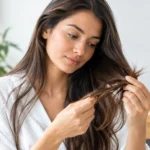


You notice it in small ways first – more strands in the shower, less fullness around your part, a ponytail that feels thinner than it used to. That is usually the moment people start searching for non clinical hair growth alternatives, not because they want a complicated treatment plan, but because they want something realistic, natural-feeling, and easy to stick with at home.
The good news is that hair support does not begin and end in a clinic. A lot of thinning and slow growth comes down to everyday stress on the scalp, weak strands, styling damage, poor consistency, and gaps in nutrition. If that sounds familiar, the right non-clinical approach can make a real difference. The key is choosing options that work together instead of relying on one miracle product.
What non clinical hair growth alternatives really mean
For most people, this category includes at-home solutions that support the scalp environment, reduce breakage, strengthen the hair shaft, and help the body get the nutrients it needs for growth. It is not about pretending every case of hair loss has the same cause. It is about building a routine that gives your hair its best chance to grow stronger and look fuller.
That distinction matters. If hair thinning is driven by hormonal shifts, tight hairstyles, stress, postpartum changes, heat damage, or poor scalp condition, a non-clinical routine can be a strong first step. If you are dealing with sudden shedding, patchy loss, or signs of a medical condition, at-home care may still help support hair quality, but it should not replace professional evaluation.
This is where a lot of people get frustrated. They buy one oil, try it for a week, and expect dramatic regrowth. Hair does not work that way. Visible improvement usually comes from consistency, not intensity.
The most effective non clinical hair growth alternatives
The best alternatives tend to fall into three areas: scalp care, strand protection, and internal support. When those three line up, the routine feels simpler and the results tend to be more believable.
Scalp-focused treatments
A healthy scalp gives hair a better place to grow. That sounds basic, but it is often the missing piece. Product buildup, excess oil, dryness, flakes, and irritation can all create a stressed scalp environment. If the scalp is neglected, even expensive styling products will only do so much.
Natural scalp drops and botanical oils are popular for a reason. Ingredients like rosemary are widely used in hair wellness routines because they help support scalp circulation and create a nourishing environment at the root. They are especially appealing for people who want a gentler option than harsh formulas or more clinical-feeling treatments.
That said, oils are not one-size-fits-all. Some people love richer scalp treatments, while others do better with lightweight, mess-free drops that absorb quickly and fit into a daily routine. If a product leaves your roots greasy or makes you avoid using it, it is not the right long-term choice.
Thickening and breakage defense
Not every hair goal is about creating new growth overnight. Sometimes the fastest visible win is protecting the hair you already have. Thin-looking hair often has two problems at once: reduced density at the scalp and breakage through the lengths.
That is where thickening sprays and leave-in support products can help. A good formula can make hair look fuller right away while also helping reduce damage from heat styling, brushing, and daily stress. This matters more than people realize. If your hair keeps snapping at the mid-lengths and ends, it may never look like it is growing, even when it technically is.
There is a trade-off here too. Some thickening products give big volume but leave hair stiff or dull. Others feel light but do not offer enough support. The best option is one you can use daily without making your hair feel coated, crunchy, or harder to manage.
Nutrition and internal support
Hair is not just a surface issue. If your body is low on key nutrients or dealing with chronic stress, your hair often shows it. That is why supplements are one of the most talked-about non clinical hair growth alternatives.
Biotin gets most of the attention, but the broader point is internal support. Gummies and other hair supplements can be helpful for people whose routines are inconsistent, whose diet is lacking, or who want an easy daily habit that supports stronger-looking hair over time. They are not magic, and they are not a replacement for a balanced diet, but they can be a useful part of a complete system.
This is also where patience matters. Internal support usually takes time because hair growth is slow by nature. If you want a routine that feels encouraging early on, it helps to pair nutritional support with scalp care and a cosmetic thickening step so you are addressing both short-term appearance and longer-term hair health.
Why a system works better than a single fix
One of the biggest mistakes people make is expecting one product to solve a multi-layer problem. Hair thinning is rarely just one thing. It can be scalp stress plus breakage plus weak hair habits plus inconsistent nutrition. That is why all-in-one routines tend to be more practical than bouncing between random products.
A coordinated system is easier to follow because every product has a clear role. One step nourishes the scalp, one helps hair look thicker and stay protected, and one supports from within. Instead of guessing what to use and when, you have a repeatable routine that fits into real life.
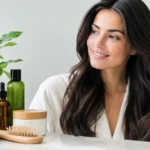
That convenience is not a small detail. The best hair routine is the one you will actually keep using. A natural, at-home system like ROXIHAIR makes sense for people who want visible support without turning their bathroom into a lab experiment.
Habits that make non-clinical options work harder
Products help, but daily habits decide a lot. If your hair is under constant stress, even a strong routine has to work uphill.
Heat styling is a major one. Frequent blow-drying, flat ironing, and curling can rough up the cuticle and increase breakage, especially on color-treated hair. You do not have to give up styling completely, but lowering the temperature and using protective products can make a noticeable difference.
Tension is another quiet culprit. Tight ponytails, slicked-back buns, and extensions that pull at the root can worsen thinning around the hairline. If you already notice fragility in that area, switching to looser styles is one of the smartest low-effort changes you can make.
Scalp hygiene matters too. Washing too rarely can leave buildup sitting on the scalp, while washing too aggressively can lead to dryness and irritation. The right balance depends on your scalp type, how much you sweat, and how many styling products you use. There is no perfect schedule for everyone, which is why paying attention to how your scalp feels is more useful than following rigid rules.
Stress and sleep deserve a mention as well. They are not glamorous, but they affect shedding more than many people want to admit. If your hair changes during intense periods of life, your routine may need both product support and a little more patience.
What results should you expect?
This is where honesty matters. Non clinical hair growth alternatives can support thicker-looking hair, reduce fallout from breakage, improve scalp health, and help create better conditions for healthier growth. They can absolutely be worth it. But results vary based on the cause of your thinning, your consistency, and the condition of your hair when you start.
Some people notice early changes in softness, shine, reduced breakage, and a fuller appearance within weeks. Growth itself usually takes longer. Hair moves slowly, so visible progress often shows up first in how your hair feels and behaves, then in how much stronger and denser it appears over time.
That does not make the process less valuable. Small signs matter. Less hair on the brush, better scalp comfort, improved volume, and fewer weak ends are often the first proof that your routine is working.
When at-home care is a smart choice
If you want a practical, lower-commitment way to support your hair, non-clinical options are often the best place to start. They fit daily life, they are generally easier on the scalp and strands, and they can help you build momentum without jumping straight to more aggressive solutions.
The strongest approach is not chasing a miracle. It is choosing a routine that supports the scalp, protects the hair you have, and gives your body the ingredients it needs to do its part. Stay consistent, pay attention to how your hair responds, and give the process enough time to show you something real. Your next step does not have to be extreme – it just has to be smart.