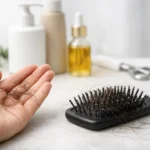

Hair that looks thinner at the part, more strands in the shower, and a scalp that feels dry or stressed usually do not call for another random product. They call for a better strategy. If you are looking for the best scalp serum for hair growth, the real question is not which bottle has the loudest label. It is which formula gives your scalp what it needs to support stronger, healthier growth over time.
A scalp serum can absolutely earn a place in your routine, but only if it is built to do more than sit on the surface. Growth starts at the scalp. That means the right serum should help create a healthier environment for follicles, calm visible stress, and support hair that is less likely to break before it ever has a chance to look fuller.
What makes the best scalp serum for hair growth?
The best formulas do two things well. First, they target the scalp itself. Second, they fit into real life well enough that you will actually keep using them.
That sounds simple, but it rules out a lot of products. A serum can have trendy ingredients and still fail if it feels greasy, weighs roots down, irritates sensitive skin, or turns your routine into a chore. Consistency matters in hair care. If a product is hard to use, results usually stop before they start.
A strong scalp serum for growth should support circulation, hydration, and scalp balance without coating the hair in heavy residue. It should also work across different hair types, whether your hair is straight, curly, color-treated, fine, or textured. The goal is not just faster-looking growth. The goal is better conditions for healthier hair to grow and stay.
Ingredients worth looking for
Not every ingredient has the same job, so it helps to read a formula based on what your scalp is dealing with.
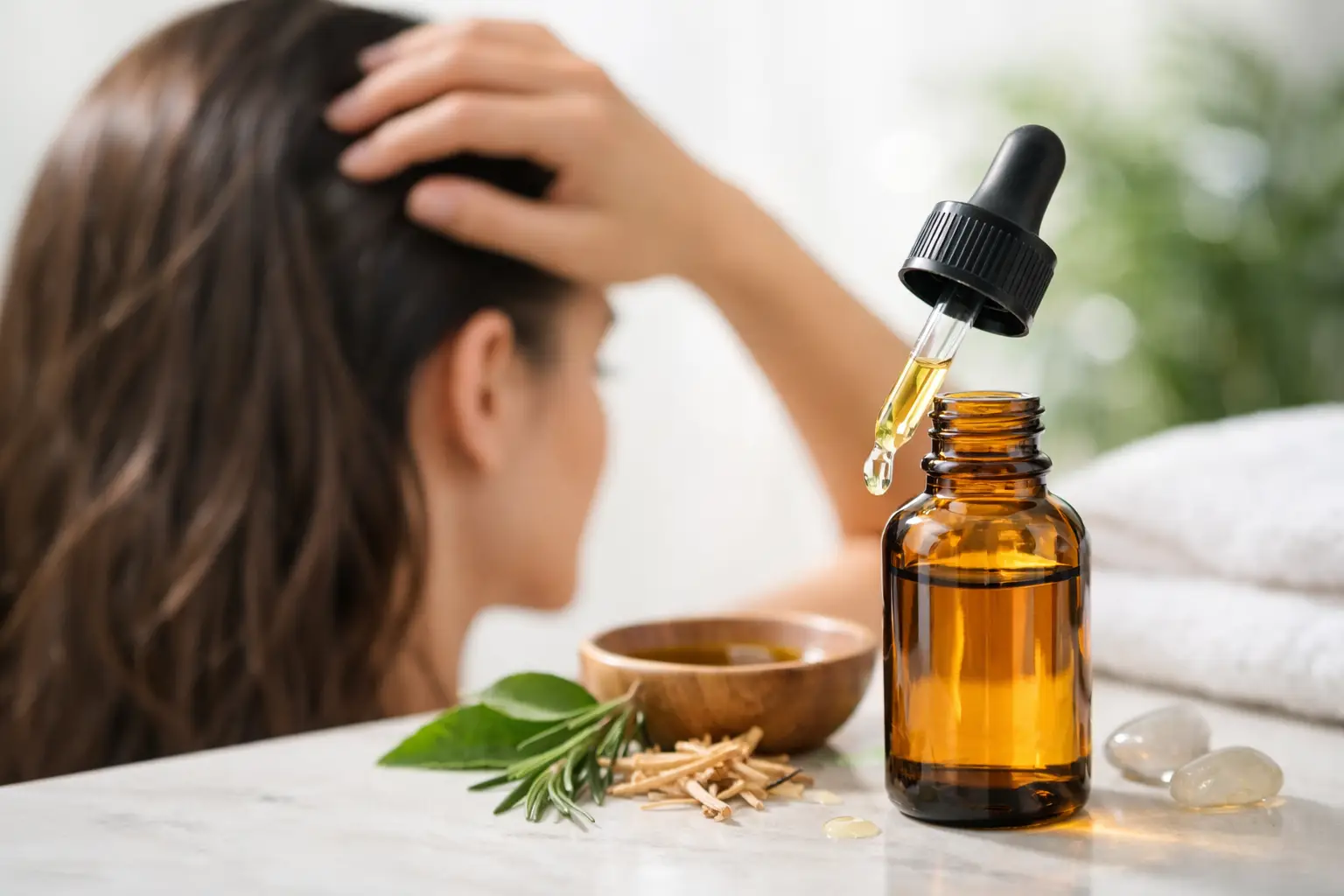
Rosemary is one of the most talked-about ingredients for a reason. It is popular in hair wellness routines because it helps support scalp stimulation and is often used by people trying to reduce visible shedding and encourage fuller-looking hair. In a well-made serum, rosemary can be a strong choice for anyone who wants a natural approach without harsh chemicals.
Lightweight botanical oils can also help, especially when dryness, flaking, or styling damage are part of the picture. The key word is lightweight. Rich oils may sound nourishing, but if they clog the scalp or leave buildup, they can work against your routine instead of helping it.
You also want ingredients that help soothe the scalp. Hair thinning is not always just about genetics. Sometimes the scalp is irritated from heat styling, coloring, tight hairstyles, overwashing, or product overload. A serum that supports balance and hydration can make a real difference in how your scalp feels and how your hair behaves.
Biotin, peptides, and plant extracts may also show up in formulas designed to support stronger strands. These can be helpful, but they work best as part of a bigger routine, not as a magic fix on their own. That is where many shoppers get frustrated. They buy one product expecting everything to change, when hair wellness usually responds better to consistent support from multiple angles.
What to avoid when choosing a scalp serum
A good serum should feel like support, not punishment. If it burns, leaves your roots oily by noon, or makes your scalp feel tighter and more reactive, it is probably not the right fit.
Heavy mineral oil formulas, overly greasy textures, and products packed with harsh fragrance can be a problem, especially if your scalp is already sensitive. The same goes for anything that leaves visible residue. A serum for growth should be easy to apply and easy to live with.
Be careful with products that promise instant miracles. Hair growth does not work on a one-night timeline. Visible results depend on the condition of your scalp, the health of your strands, how much shedding you are experiencing, and whether your routine is actually supporting regrowth or just masking damage.
Why serum alone is sometimes not enough
This is where a lot of people get stuck. They choose a scalp serum, use it for a few weeks, then assume scalp care does not work when their hair still feels thin.
The truth is that scalp treatment is powerful, but it is only one piece of the picture. If your strands are weak, your hair is breaking from heat or color damage, or your body is missing the nutritional support healthy hair depends on, a serum can only do so much. It is working at the root level, but your routine still needs to protect the hair you already have.
That is why a complete system often makes more sense than a single product. Pairing scalp support with strand protection and internal wellness support gives you a more realistic path to visible improvement. For many people, that means better density, less breakage, a healthier-looking scalp, and hair that looks fuller sooner because it is not being stressed from every angle.
How to use a scalp serum for better results
Application matters more than people think. A great formula used inconsistently will almost always underperform.
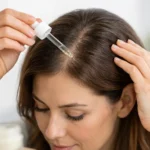
Start with a clean or mostly clean scalp, depending on the directions of the product. Part the hair so the serum can reach the scalp instead of just sitting on the strands. Apply directly to the areas where thinning, fallout, or dryness are most noticeable. Then massage it in gently with your fingertips for a minute or two.
That massage step is not fluff. It helps distribute the product and encourages blood flow at the scalp surface. You do not need aggressive rubbing. Gentle, steady pressure is enough.
Most importantly, keep going. Hair routines reward patience. Some people notice less shedding or a healthier scalp feel first. Fuller-looking hair usually takes longer. Progress often shows up in stages, and that is normal.
The best scalp serum for hair growth fits your real routine
The best product is not always the most expensive one or the one with the longest ingredient list. It is the one you can use consistently without second-guessing it.
If your mornings are rushed, a mess-free serum matters. If you style your hair often, a non-greasy finish matters. If you have color-treated hair, gentle ingredients matter. If you are dealing with both thinning and breakage, then scalp treatment plus daily strand support matters even more.
This is why many shoppers are moving away from one-off solutions and toward coordinated routines. A targeted scalp serum can help nourish the roots, while a thickening spray can make hair look fuller and protect it during daily styling. Add internal support such as biotin gummies, and the whole routine starts working together instead of forcing one product to do every job.
That more complete approach is a big reason people turn to systems like ROXIHAIR, which combines organic rosemary scalp drops with other hair wellness essentials designed to support fuller, stronger, healthier hair from multiple angles.
Who benefits most from a scalp growth serum?
If you are seeing more hair fall than usual, noticing slower growth, or dealing with thinning at the crown, temples, or part line, a scalp serum may be worth adding now rather than later. It can also be helpful if your scalp feels stressed from frequent coloring, heat, dryness, or buildup.
Men and women can both benefit, but expectations should stay realistic. If hair thinning is mild or moderate, a consistent routine may help improve how full and healthy the hair looks over time. If hair loss is severe, the best next step may be a combination of at-home support and professional guidance. It depends on what is driving the issue.
That does not mean a serum is not worth using. It means the right product works best when it matches the situation. Growth support is not one-size-fits-all, and honest expectations lead to better choices.
How to tell if your serum is working
The first signs are not always dramatic new growth around the hairline. Sometimes it starts with less shedding on wash day, a scalp that feels calmer, or hair that seems easier to manage because it is not as dry and fragile.
Over time, you may notice that your roots look healthier, your part does not seem as wide, or your hair starts holding volume better. These shifts matter. Hair growth is not only about length. It is also about retention, strength, and density.
If you are giving a serum a fair shot, track your progress with photos every few weeks in the same lighting. Small changes are easier to see that way, and it helps you stay consistent instead of quitting too early.
Finding the right scalp serum is really about choosing a product that supports your scalp, respects your hair type, and works well enough that you will stick with it. When your routine gets simpler and smarter, healthier-looking hair stops feeling out of reach and starts feeling like the next thing your scalp is ready for.