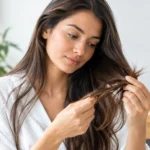

Your hair can look dry at the ends while your scalp feels oily, itchy, or stressed at the roots. That is why the scalp serum vs hair oil question is not just about texture or shine. It is about putting the right kind of care where your hair needs it most.
If you are seeing more shedding in the shower, less volume around the part, or breakage that makes growth feel impossible, a heavy oil on your lengths may not address the real concern. Hair starts at the scalp. A targeted routine can help you care for the environment where stronger-looking hair begins, while still giving dry strands the softness they need.
Scalp Serum vs Hair Oil: The Core Difference
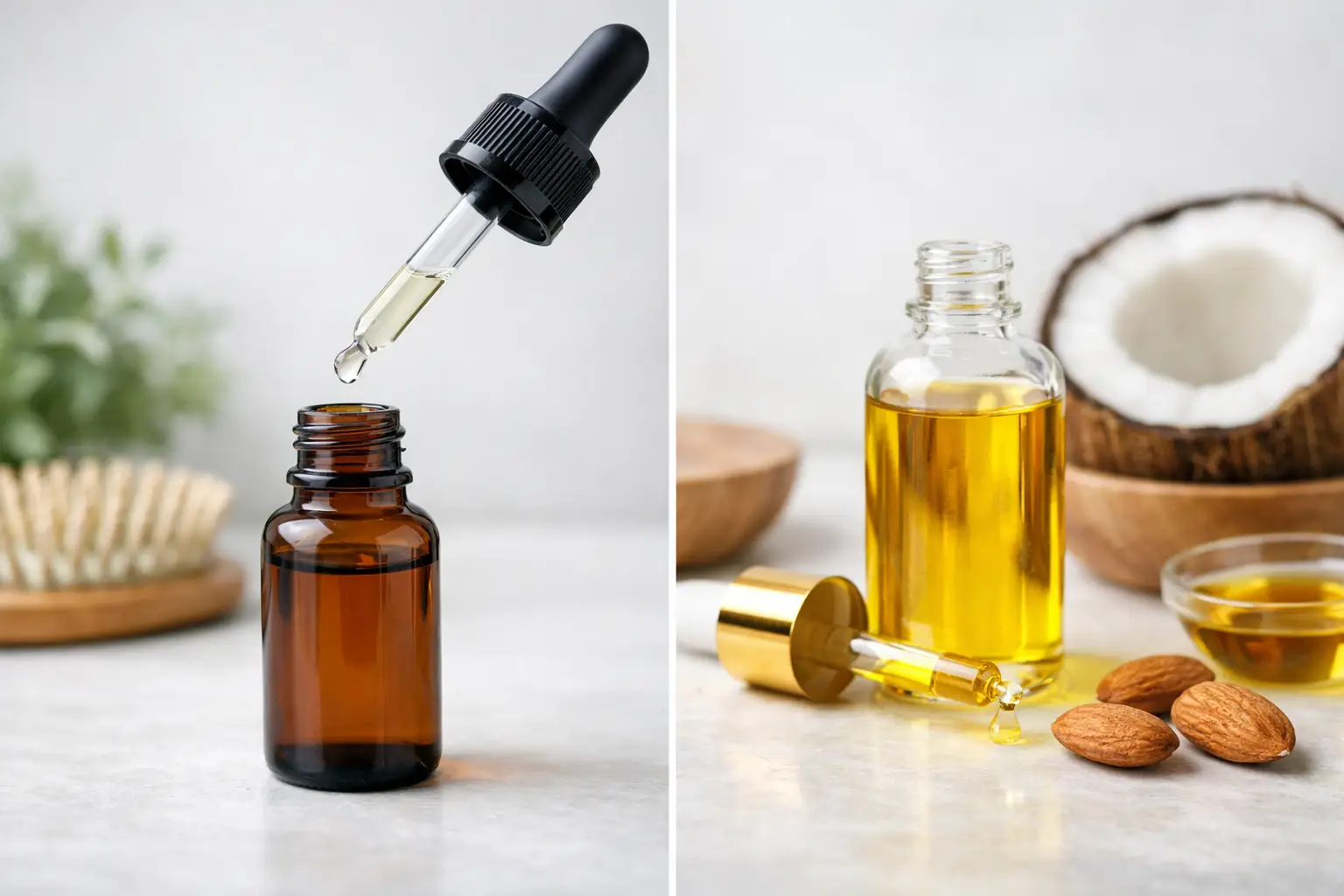
A scalp serum is designed to be applied directly to the skin of the scalp. Its job is usually to deliver lightweight, concentrated ingredients without leaving the roots coated or greasy. Depending on the formula, a serum may support a balanced-feeling scalp, help soothe dryness, and make a scalp-care routine easier to maintain consistently.
Hair oil is typically designed to condition the hair fiber itself. It creates slip, helps smooth the look of frizz, adds shine, and can make dry or color-treated ends feel softer. Oils can be used on the scalp too, but that does not automatically make them a scalp treatment. The formula, amount, and your scalp type all matter.
Think of it this way: serum is often the more precise choice for your roots, while oil is often the richer choice for your lengths. They are not enemies. They simply solve different problems.
When a Scalp Serum Makes More Sense
A scalp serum can be a smart first step when thinning, hair fall, slow growth, or scalp discomfort is your main concern. These issues often call for attention at the root rather than another coating product on the ends.
Look for a lightweight formula that can be applied along clean, parted sections of the scalp. Rosemary is a popular botanical in scalp care because it fits naturally into a wellness-focused routine and is often chosen by people looking to avoid harsh products. A serum or scalp drop format also makes it easier to focus application where you notice widening, sparse areas, or a stressed hairline.
Scalp serums are especially helpful if you have fine hair or roots that get oily quickly. Thick oils can make fine hair collapse, leaving it flatter than before. A well-formulated serum should absorb comfortably and let you style your hair without feeling like you need to wash it again immediately.
Consistency is the real advantage. If a product feels light, simple, and mess-free, you are more likely to use it regularly. And regular scalp care is far more useful than an occasional treatment you avoid because it feels too heavy.
A serum may be the better choice if you notice:
- Thinning around the part, temples, or crown
- Increased shedding or hair fall during washing and brushing
- A dry, tight, flaky, or irritated-feeling scalp
- Fine hair that becomes limp with oils
- Slow growth combined with frequent breakage
None of these signs guarantees a single cause. Stress, genetics, hormones, styling habits, nutrition, medications, and scalp conditions can all play a role in hair changes. Sudden or severe hair loss, painful scalp symptoms, or patchy bald spots deserve guidance from a qualified healthcare professional.
When Hair Oil Is the Better Match
Hair oil earns its place when your mid-lengths and ends need comfort. Bleaching, coloring, hot tools, tight styles, sun exposure, and everyday friction can leave the hair cuticle feeling rough. Oil helps reduce that dry, straw-like appearance and can make brushing and styling less damaging.
If your hair is thick, coarse, curly, textured, or visibly thirsty, a small amount of oil can improve softness and shine quickly. Apply it from the mid-lengths to the ends, where hair is older and more vulnerable. Start with less than you think you need. You can always add another drop, but removing excess oil usually means another wash day.
Oil is also useful as a finishing product. A tiny amount can tame flyaways, make ends look more polished, and help styles appear healthier. That cosmetic boost can be meaningful, especially when thinning or breakage has affected your confidence.
Still, shine is not the same as scalp support. If your roots are greasy, flaky, or struggling with buildup, adding more oil to the scalp can sometimes make hair feel heavier or make cleansing more difficult. This is where many routines go wrong: they use a rich oil for every concern, then wonder why their roots look flat.
Can You Use Both in the Same Routine?
Yes. For many people, using both is the most balanced approach. The key is placement.
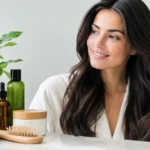
Use a scalp serum or rosemary scalp drops on the scalp, focusing on areas where you want targeted support. Then use a small amount of hair oil only through dry ends. This lets you nourish the look and feel of your lengths without smothering the root area.
You do not need to layer everything at once every day. If you wash your hair two or three times a week, apply your scalp treatment according to its directions and use oil whenever your ends feel dry or your style needs extra smoothness. Pay attention to how your hair responds over several weeks, not just one day.
If your scalp is very oily or prone to flakes, keep oil away from the roots at first. If your lengths are extremely dry but your scalp is healthy, oil may be your priority. The right answer depends on your hair pattern, styling habits, and what you are trying to improve.
How to Build a Routine That Supports Fuller-Looking Hair
Hair growth care works best when it is not treated as one miracle product. Your scalp, strands, and daily habits all affect how your hair looks and feels. A simple system gives each area a role.
Start with scalp care. Apply a lightweight topical treatment to a clean or dry scalp as directed, using the nozzle or dropper to create parts rather than drenching the hair. Gently massage with your fingertips. You are not trying to scrub aggressively. You are making sure the product reaches the scalp instead of sitting on the hair.
Next, protect the strands you already have. Use a thickening or protective styling product if your hair tends to look flat, fragile, or damaged. Limit high heat when possible, and use gentler detangling habits. The goal is not only to encourage healthier-looking new growth but also to preserve length by reducing breakage.
Finally, support your routine from within with balanced meals and, if appropriate for your needs, a supplement routine. Biotin gummies can be a convenient addition for people seeking simple daily nutritional support, but they are not a replacement for medical care, a varied diet, or identifying an underlying cause of hair loss.
ROXIHAIR approaches this as a coordinated routine: scalp drops for root-focused care, thickening support for the hair you see, and gummies for daily internal wellness. That kind of structure can be easier to follow than collecting random products that do not work together.
Avoid These Common Mistakes
The biggest mistake is using too much product. More oil does not equal more moisture, and more serum does not equal faster results. Excess can create buildup, weigh down fine hair, and make it hard to tell what is actually helping.
Another mistake is expecting oil to repair split ends or reverse thinning. Oil can temporarily smooth the appearance of damaged ends, but it cannot fuse a split end back together. Likewise, it can make the scalp feel conditioned, but it is not automatically the best choice for targeted thinning support.
Finally, do not quit after a few applications because you do not see an overnight change. Hair has a slow growth cycle. The first wins may be a calmer-feeling scalp, less breakage during styling, or hair that looks more manageable. Those small improvements can help create the conditions for a stronger, fuller-looking routine over time.
Your best hair routine does not need to be complicated. Give your scalp focused care, treat dry lengths with intention, and stay consistent long enough to let good habits show up in the mirror.