
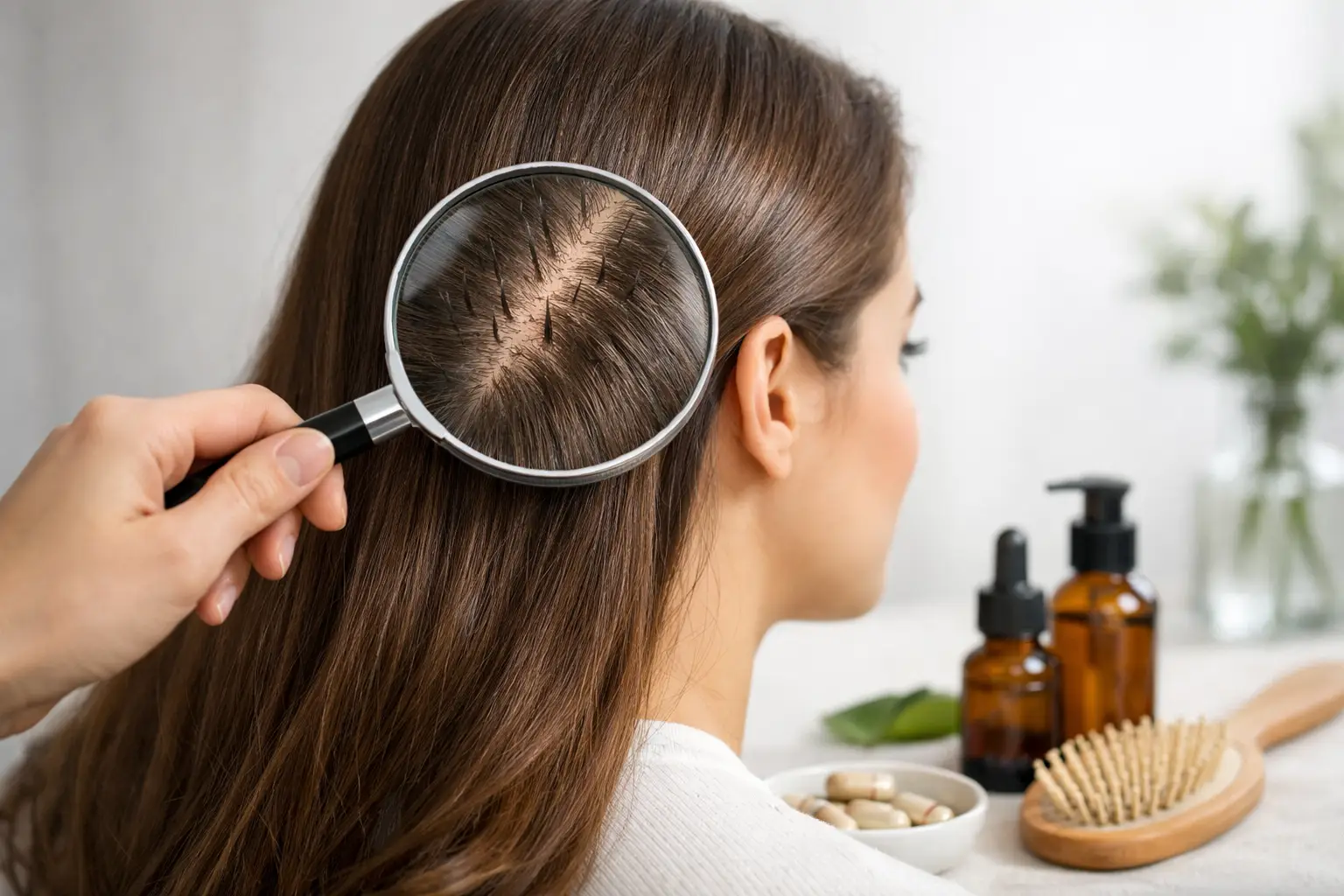
You can’t force hair to grow overnight, but you can stop doing the things that keep it stuck. If you’ve been asking what helps hair grow faster, the real answer is simpler than most marketing makes it sound: support the scalp, reduce breakage, and give your hair the nutrients and consistency it needs to stay in growth mode.
That matters because a lot of people think slow growth means their hair is not growing at all. In many cases, it is growing – it’s just snapping, shedding, thinning, or struggling through an unhealthy scalp environment. Faster-looking growth usually comes from a combination of better retention and better growth conditions, not one miracle product.
What helps hair grow faster starts at the scalp
Healthy hair starts before you ever see a strand. Growth begins in the follicle, which means your scalp condition plays a huge role in how well hair grows and how long it stays anchored.
If your scalp is dry, inflamed, clogged with buildup, or stressed from harsh products, growth can slow down. Even when the hair keeps growing, the environment may not be ideal for strong, thick strands. That is why scalp care is not optional if your goal is longer, fuller hair.
A good scalp routine usually includes gentle cleansing, lightweight nourishment, and consistency. Heavy residue, aggressive scrubbing, and over-washing can all work against you. On the other hand, leaving too much oil and product sitting on the scalp can also create problems. It depends on your hair type, how often you style, and whether you deal with flaking, itchiness, or excess oil.
This is where targeted scalp treatments can make a real difference. Natural ingredients like rosemary are popular for a reason – they help support the scalp without relying on harsh formulas. Used regularly, scalp drops can become part of a simple at-home routine that encourages a healthier foundation for growth.
Growth is one thing. Keeping your hair is another
A lot of people say they want faster growth, but what they really need is less breakage. If your ends are splitting, your strands are dry, or your hair is damaged from heat and color, you may be losing length as fast as you gain it.
That creates the frustrating feeling that nothing works. Your roots grow in, but the ends thin out. The result is hair that seems stuck at the same length for months.
To fix that, focus on retention. Hair that stays strong and flexible will hold onto length better. Daily habits matter here more than people think. Tight styles, rough brushing, high heat, bleaching, and skipping protection can all chip away at your progress.
A thickening and protective styling product can help reduce stress on the hair shaft during everyday wear. That doesn’t mean any spray will magically make hair grow, but the right one can help hair look fuller while also supporting it against damage. That trade-off matters – cosmetic fullness is not the same as new growth, but when you pair appearance benefits with strand support, your routine starts working harder for you.
Nutrition affects hair more than most people realize
Hair is not a priority tissue for the body. If you are low on key nutrients, your body will direct resources elsewhere first. That is one reason stress, restrictive dieting, illness, and inconsistent eating can show up in your hair before you fully connect the dots.
Protein, vitamins, and minerals all matter. Hair is made mostly of protein, so chronically undereating or cutting protein too low can affect growth quality. Nutrients such as biotin, zinc, iron, and vitamins involved in normal cell function also play a role in supporting healthier hair.
That said, more is not always better. Taking random supplements without understanding your needs is not a smart shortcut. If you suspect a deficiency, it is worth talking to a healthcare professional. But for many people, a consistent daily wellness routine that includes hair-focused nutritional support is a practical way to cover common gaps and stay on track.
The key is consistency. A gummy or supplement taken for a few days will not transform your hair. Hair growth is slow by nature, so internal support works best when you stay with it long enough to let the cycle play out.
What helps hair grow faster in real life
The most effective approach is not dramatic. It is a repeatable routine you can actually stick with.
Start with a clean, balanced scalp. Add a nourishing scalp treatment several times a week or as directed. Use daily products that help protect the hair you already have, especially if you heat style, color, or spend time detangling fragile strands. Support your body with steady nutrition and hydration. Then keep going long enough to judge results fairly.
This is why all-in-one systems make sense for people who are tired of guessing. Instead of piecing together random products, a coordinated routine gives your scalp, strands, and nutritional support a chance to work together. ROXIHAIR is built around that exact idea – a simple 3-step system designed to help people deal with thinning, breakage, and slow progress without turning hair care into a second job.
The biggest mistakes that slow progress
Sometimes the problem is not what you are missing. It is what you are doing too often.
Switching products every two weeks is a common one. Hair growth does not move on a social media timeline. If you keep starting over, you never give a good routine time to show results.
Using harsh products is another issue. A formula that leaves your scalp irritated or your hair stripped may feel “deep cleaning,” but repeated stress can backfire. The same goes for over-styling. Flat irons, tight ponytails, extensions, and bleach can all make hair look polished in the short term while quietly increasing breakage.
Then there is stress. It sounds basic, but it matters. Physical stress, emotional stress, poor sleep, and sudden health changes can all affect shedding. You may not be able to remove every stressor, but supporting your overall wellness is part of supporting your hair.
How long does it take to see faster hair growth?
This is the question everyone asks, and the honest answer is that it depends. Hair typically grows about half an inch per month on average, but that number varies based on genetics, age, health, hormones, and how much breakage you are dealing with.
What most people notice first is not dramatic new length. It is less fallout in the shower, a calmer scalp, fuller-looking roots, improved softness, and hair that feels more resilient. Visible length comes later.
That can be frustrating, especially if you want quick change. But it is also a good sign when a routine improves the quality of your hair before the inches show up. Stronger hair tends to perform better over time.
When faster growth needs a deeper look
Not every case of slow growth is just about product choice. If you are seeing sudden thinning, patchy loss, major shedding, scalp pain, or changes linked to hormones or illness, it may be time to get professional input.
At-home care can still help support your routine, but some situations need more than cosmetic treatment. That is not a setback. It is just being honest about the difference between everyday hair stress and something more serious.
Still, many people dealing with mild thinning, breakage, post-styling damage, and scalp stress can make meaningful progress by getting back to the basics and staying consistent. Better scalp care, stronger strand support, and daily nutrition are not flashy answers, but they are the ones that tend to hold up.
If you want your hair to grow faster, think less about chasing one miracle and more about creating the right conditions every day. Hair responds well to patience, protection, and a routine that supports the whole picture – and once that clicks, progress starts to feel a lot more possible.