
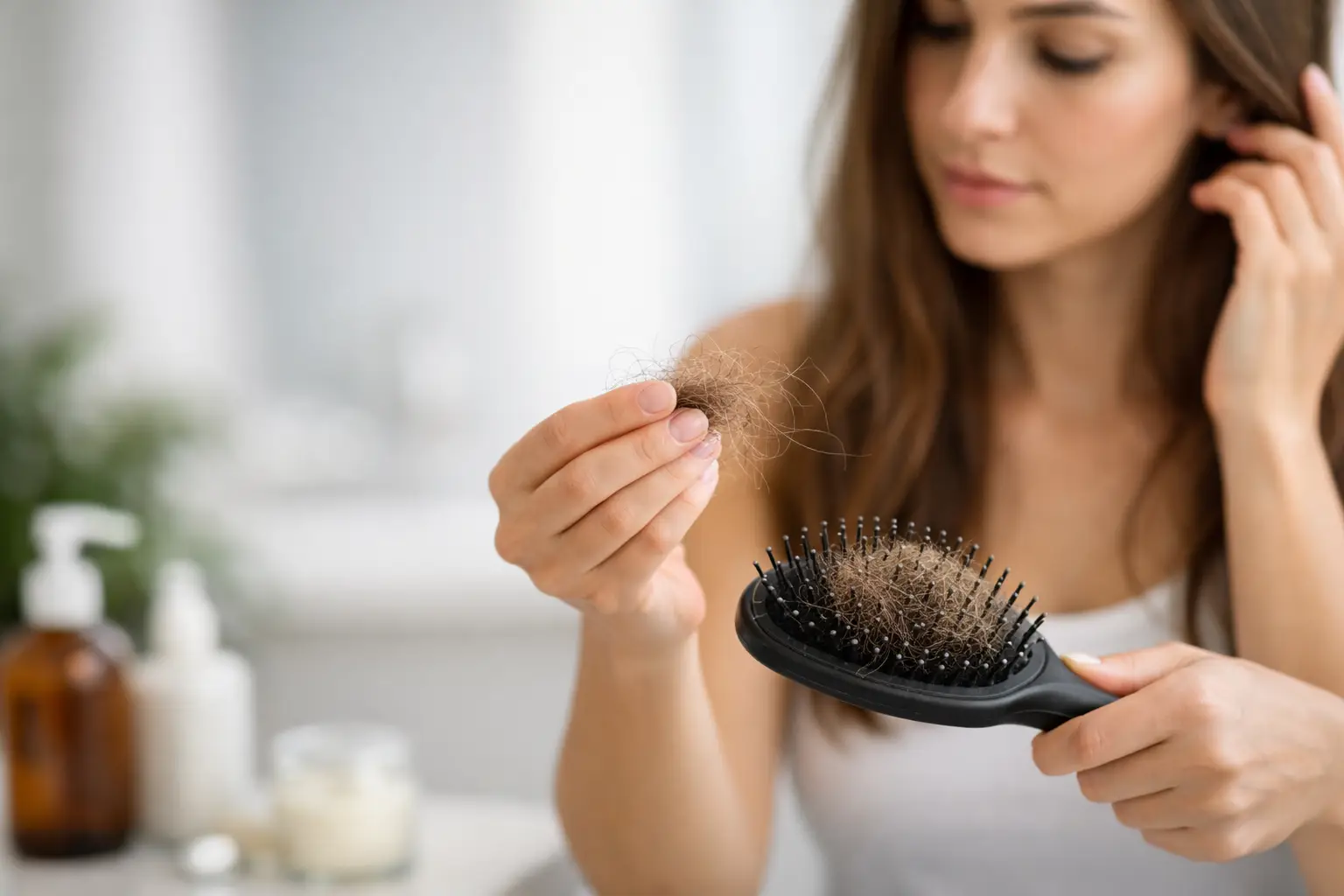
You usually notice shedding at the worst possible moment – on your brush, in the shower drain, across your black top, or wrapped around your fingers while styling. A smart daily anti shedding routine helps you get ahead of that cycle by supporting the scalp, protecting fragile strands, and cutting down on the habits that quietly make hair fall worse.
The key is not doing more. It is doing the right things, in the right order, every day. If your routine is inconsistent, too harsh, or built around random products that do not work together, hair can stay stressed even when you are trying to help it.
Why a daily anti shedding routine matters
Shedding is normal to a point. Hair naturally moves through growth, rest, and release phases, so seeing some strands come out each day is expected. The problem starts when shedding feels excessive, your part looks wider, your ponytail feels thinner, or your hair never seems to recover after washing, coloring, heat styling, stress, or hormonal shifts.
This is where a daily anti shedding routine makes a real difference. It creates consistency around the three things thinning hair needs most – scalp support, strand protection, and internal nourishment. Miss one of those, and results can stall. Focus on all three, and your hair has a better chance to look fuller, feel stronger, and break less over time.
There is also an important trade-off here. Fast fixes can make hair look thicker for the day, but they do not always help the long game. On the other hand, scalp care and nutritional support may take longer to show visible changes, but they address the conditions that healthy hair depends on. The best routine does both.
The daily anti shedding routine to follow
A strong routine should feel easy enough to repeat, because consistency beats intensity every time. If you only do a full treatment once in a while, you are asking your hair to recover from daily stress without daily support.
Step 1: Start with scalp-focused care
Healthy-looking hair starts at the scalp. If the scalp is dry, irritated, oily, or congested with buildup, hair can struggle. That does not mean every shedding issue comes from the scalp, but it does mean scalp health is one of the most practical places to begin.
Apply a lightweight scalp treatment once a day, ideally to clean or dry roots, and massage it in gently with your fingertips. This step supports circulation, helps nourish the scalp environment, and turns hair care into a repeatable ritual instead of a panic move. Rosemary-based formulas are especially popular because they fit the natural, daily-use approach many people want.
Use a light touch. Aggressive rubbing can cause more stress on fragile strands, especially near the hairline and crown where thinning often shows up first.
Step 2: Protect hair lengths from breakage
Not all shedding is true root-level loss. A lot of what people call shedding is actually breakage. If your ends are dry, your mid-lengths feel rough, or you see shorter snapped hairs around your face and part, your routine needs more protection.
A daily thickening or protective styling product can help in two ways. First, it gives hair a fuller look right away, which matters when your confidence has taken a hit. Second, it helps reduce the wear and tear from brushing, blow-drying, friction, and general handling throughout the day.
This step matters most if you heat style often, color your hair, wear tight ponytails, or deal with hair that tangles easily. The goal is not stiff product buildup. The goal is flexible support that helps hair look denser without making it brittle.
Step 3: Support growth from the inside
External products matter, but hair also depends on what your body has available to build it. If your routine ignores internal support, progress can feel slow. Daily hair-focused supplements are popular for that reason – they help fill the gap for people who want a simple wellness step that supports stronger-looking hair over time.
This is where consistency matters most. Gummies, capsules, or other hair nutrients are not overnight solutions. They are part of the background work. If your shedding is connected to stress, poor diet, or general nutrient gaps, internal support can help your routine feel more complete.
It depends on the person, of course. If hair shedding is linked to a medical condition, medication, or a major hormonal issue, supplements alone are not enough. But as part of a daily routine, they make sense for many people who want a practical, at-home system.
Small habits that make a big difference
Even the best products can only do so much if your daily habits keep pulling hair backward. This is where people often lose progress without realizing it.
Brush gently, especially when hair is wet. Wet strands stretch more easily and snap faster under tension. Start at the ends, work upward, and avoid ripping through knots. If your hair mats easily, use a detangling product before brushing.
Keep your heat settings lower than you think you need. High heat can weaken the hair shaft, dry out the cuticle, and leave strands more likely to break later. You do not need to give up styling completely, but daily high heat and thinning hair are not a good match.
Pay attention to hairstyles that create tension. A sleek bun may look polished, but repeated pulling around the temples and crown can make fragile hair look even thinner over time. Looser styles are usually the better call if shedding is already a concern.
Wash often enough to keep your scalp balanced, but not so aggressively that you strip it. There is no perfect schedule for everyone. Some people do best washing every other day, while others with oily scalps need more frequent cleansing. What matters is avoiding heavy buildup while keeping the scalp comfortable.
What to avoid in an anti-shedding routine
The first mistake is product overload. Layering too many oils, masks, sprays, and treatments can weigh hair down, create buildup, and make the scalp feel worse instead of better. More products do not automatically mean better results.
The second mistake is switching routines too fast. If you try a new system for five days, then jump to another one, you never give your hair a real chance to respond. Visible changes in hair density and reduced shedding usually take time.
The third mistake is chasing only cosmetic volume. Thickening products are helpful, but if you ignore scalp support and internal care, you may get a temporary visual boost without addressing the pattern behind the problem.
When results start to show
Some parts of your routine can pay off quickly. Hair can look fuller right away with the right thickening support, and better protection can reduce breakage fairly soon. A calmer, more balanced scalp may also feel better within days or weeks.
Actual improvement in shedding and fullness takes longer. Hair grows on a slow timeline, and your routine has to work with that reality. Visible progress often comes from steady use over weeks, not dramatic one-day changes. That is why simple systems tend to work better than complicated ones – they are easier to stick with.
For many people, the sweet spot is a routine that combines daily scalp drops, daily strand support, and daily nutritional care. That kind of structure is easy to maintain and easier to trust because each step has a clear job. It is one reason complete systems from brands like ROXIHAIR appeal to people who are tired of mixing random products and hoping for the best.
When shedding needs more attention
If your hair is suddenly coming out in clumps, your scalp feels painful, or you are seeing rapid thinning in patches, a daily routine should not be your only move. Those signs can point to a deeper issue that needs professional evaluation.
The same goes if you have been consistent for a while and nothing is changing. A routine can support healthier-looking hair, but it cannot solve every cause of hair loss on its own. Knowing when to add expert guidance is part of a smart plan, not a failure.
A daily anti shedding routine works best when it feels realistic, not perfect. Support the scalp, protect the strand, nourish from within, and stay consistent long enough to let your hair respond. The goal is not just less hair on the brush tomorrow. It is stronger, healthier-looking hair you can trust again.