
Flat roots at 8 a.m. and limp, puffy hair by lunch is a frustrating trade. That is why the question of hair thickening spray vs mousse matters more than it seems. If your hair is thinning, fine, or breaking easily, the wrong styling product can make hair look fuller for an hour and worse the rest of the day.
Both products can create volume, but they do it differently. One usually focuses on lift, body, and hold. The other often aims for fuller-looking strands with a lighter, more flexible finish. If you are trying to make thinning hair look healthier without stiffness, crunch, or heavy residue, the details matter.
Hair thickening spray vs mousse: what is the real difference?
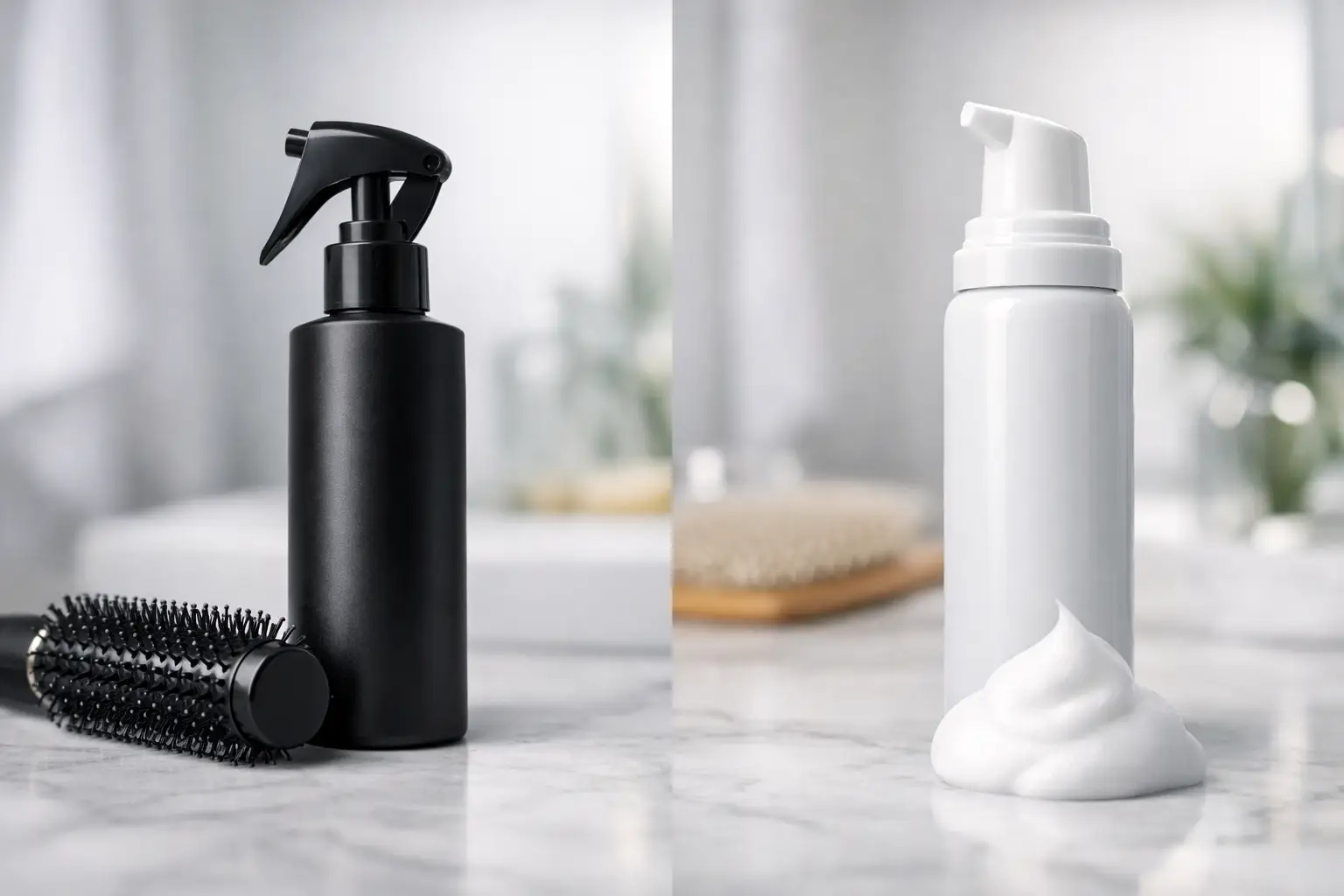
Mousse is a foam you work through damp hair before blow-drying. It is traditionally used to boost body, encourage lift at the roots, and give style memory. If you want that classic blown-out fullness, mousse can absolutely help.
A hair thickening spray is usually misted onto damp or dry hair and is designed to coat the strands more lightly. Many formulas aim to make each strand appear slightly thicker, which can create the look of denser hair overall. The finish is often softer and easier to restyle, especially for people who do not want their hair to feel product-heavy.
The biggest difference comes down to feel and purpose. Mousse leans more toward styling support. Thickening spray leans more toward cosmetic density and everyday fullness. There is overlap, but if your main concern is visible thinning, not just flat hair, a thickening spray usually fits that goal more naturally.
Which one looks better on thinning hair?
For thinning hair, the best product is usually the one that adds fullness without calling attention to the fact that product is there. That is where sprays often have an edge. A good thickening spray can make hair look more expanded and healthy while keeping movement intact.
Mousse can still work beautifully, but it is easier to overapply. Too much mousse can make fine or fragile hair clump together, which actually reveals sparse areas instead of disguising them. On hair that is already low in density, separation is not always your friend.
Spray tends to be more forgiving. A few targeted mists through the mid-lengths and roots can improve the look of body without creating that sticky, overworked finish. For many people dealing with hair loss or visible scalp at the part line, that lighter touch makes a real difference.
When mousse makes more sense
Mousse is not the villain here. In some cases, it is the better choice.
If your hair is fine but not necessarily thinning, and your top goal is volume that lasts through a blowout, mousse can deliver stronger shape and hold. It is also useful if your hair struggles to keep a style. Curls, waves, and layered cuts often benefit from the structure mousse provides.
It can also help if your hair gets weighed down easily by creams or oils. A lightweight mousse can give lift without the greasy feel of heavier stylers. The trade-off is that some mousses leave hair a little dry or stiff, especially if alcohol is high on the ingredient list or if you use too much.
If your focus is style first and scalp concerns second, mousse may be enough. If your focus is making thinning hair appear fuller while keeping it touchable, spray usually wins.
When thickening spray is the smarter pick
A thickening spray tends to be the better fit when your routine needs to be simple, fast, and low-stress. That matters if you are already managing shedding, breakage, or scalp sensitivity and do not want a product that asks for perfect technique.
Sprays are often easier to direct exactly where you need support. That could mean the crown, the part line, or the areas around the temples where hair can start looking sparse first. You can use them to refresh fullness on second-day hair too, which mousse does not do as well.
This is also where ingredient philosophy starts to matter. If you care about a cleaner, more wellness-focused routine, a thickening spray built around hair-friendly support rather than just stiff hold tends to align better with that goal. The best ones do more than fake volume. They help hair look fuller while fitting into a broader routine that supports healthier-looking strands over time.
Texture, buildup, and daily wear
Here is the part many shoppers overlook: the best volumizer is the one you will actually keep using.
Mousse can feel great on wash day and annoying by day two. Some formulas leave residue, reduce softness, or make hair harder to brush through. If your hair tangles easily or breaks during styling, that extra friction is not ideal.
Thickening spray often feels lighter in daily use. It can still build up if you pile it on, but in general it works better for people who want fullness without sacrificing softness. That is especially important if your hair is color-treated, damaged, or prone to dryness.
For anyone trying to protect fragile hair, touchability is not just a luxury. It affects how often you manipulate the hair, how easy it is to detangle, and how much breakage you cause during the day. A lighter product can quietly support better habits.
Application matters more than people think
Even the right product can disappoint if you apply it the wrong way.
With mousse, more is rarely better. Start with a small amount, focus on the roots and mid-lengths, and avoid soaking the hair in foam. Comb it through lightly, then blow-dry with lift. If you let mousse air-dry without much direction, the result can be uneven volume and product concentration in random spots.
With thickening spray, target matters. Spray in sections rather than misting the surface and hoping for the best. Concentrate on the roots where you need lift, then add a little through the lengths if your ends look thin. Blow-drying usually boosts the result, but many sprays still give a noticeable improvement with minimal styling.
If your hair is thinning, gentle handling matters just as much as volume. Avoid rough towel drying, aggressive teasing, or overloading multiple stylers just to chase fullness. Hair that looks thick but feels stressed is not a long-term win.
Can you use both together?
Yes, but only if your hair can handle it.
If you love the hold of mousse but want the denser look of a thickening spray, layering can work. The safest approach is a small amount of mousse at the roots and a light spray through the lengths or sparse areas. Keep it controlled. Once hair starts feeling coated, you have crossed the line from volume to buildup.
For very fine or visibly thinning hair, using both can be too much. In that case, a single well-formulated thickening spray is often the cleaner choice. You get fullness, flexibility, and a more natural finish without turning your routine into a chemistry project.
What to look for if hair loss is part of the picture
If your hair is not just flat but actively thinning, styling alone is only part of the answer. You want a product that helps you look better now without working against your bigger hair goals.
That means watching for formulas that do not leave hair brittle, heavy, or hard to manage. It also means thinking beyond one product. A thickening spray can improve appearance instantly, but the best results usually come from a routine that supports the scalp, protects the strand, and nourishes from within.
That is why many people eventually move away from random single products and toward a more complete system. A natural scalp treatment, a daily thickening spray, and internal support can work together in a way one styling product never will. If you have been disappointed before, that shift from temporary volume to full-routine support can feel like the first approach that actually makes sense.
So, hair thickening spray vs mousse?
If you want stronger hold, blowout structure, and classic styling support, mousse still has a place. If you want hair to look fuller, softer, and more naturally dense, a thickening spray is usually the better everyday choice.
For thinning hair, that difference is not small. The right product can help you look more polished, feel more confident, and stop fighting your hair every morning. Choose the one that supports the way you actually live – and if your hair needs more than styling, give it a routine that helps it look and feel stronger from the start.


Leave a Reply