

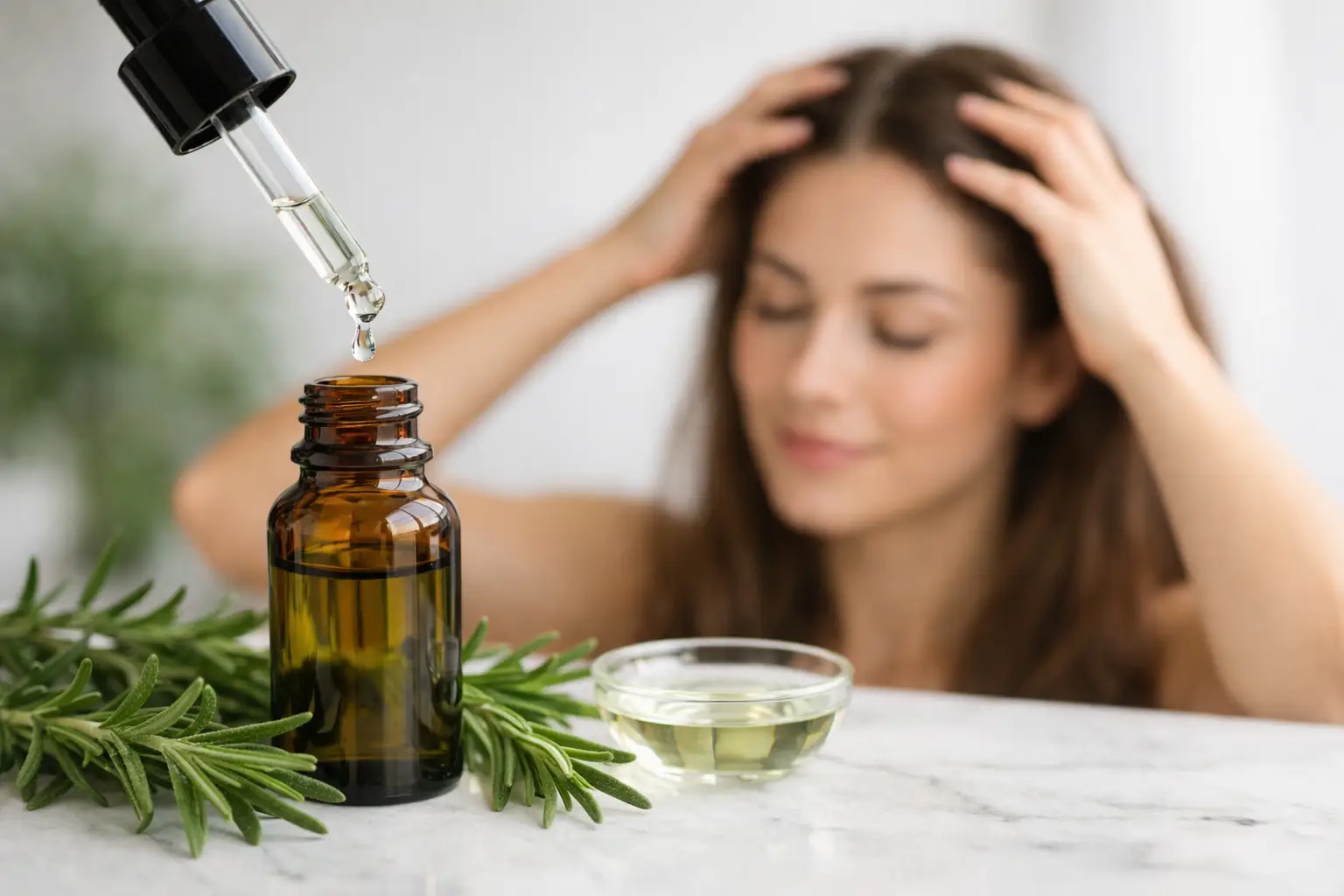
If your scalp feels dry, irritated, or just plain neglected while your hair looks thinner by the month, a rosemary scalp drops review is probably not casual reading for you. You are looking for something that actually helps – not another oily formula that sits on the roots, weighs everything down, and leaves you wondering why your hair still looks flat and fragile.
That is exactly where rosemary scalp drops have earned so much attention. They sit in the sweet spot between scalp care and hair growth support. Used well, they can help create a healthier environment at the root, which matters if you are dealing with shedding, breakage, slow growth, or stress-related thinning. But not every formula deserves the hype, and not every person will get the same result.
Rosemary scalp drops review: what are they supposed to do?
At their best, rosemary scalp drops are designed to support the scalp first and the hair second. That order matters. Hair does not grow well from an unhappy scalp. If buildup, dryness, irritation, or imbalance are part of the picture, even the best shampoo and styling products can only do so much.
A good rosemary-based drop formula is usually made to nourish the scalp, improve the feel of dryness or tightness, and support stronger-looking hair over time. Rosemary is popular because it is associated with scalp stimulation and overall hair wellness, especially for people who want a plant-based option instead of harsh treatments or complicated regimens.
The appeal is obvious. You apply a small amount directly where you need it, massage it in, and move on with your day. No long rinse-out mask. No sticky residue if the formula is balanced well. No dramatic learning curve.
What makes a good rosemary scalp drop formula
This is where a real rosemary scalp drops review needs more honesty. Rosemary alone is not enough. You are not buying a trend. You are buying a formula, and formulas matter.
The first thing to look at is whether the drops are lightweight enough for regular use. If they feel greasy, they can make fine or thinning hair look worse before they ever get a chance to help. That is a dealbreaker for a lot of people, especially anyone already self-conscious about sparse areas near the part line or crown.
The second factor is what the rosemary is paired with. Supportive botanical oils and scalp-friendly ingredients can make the drops feel more soothing and more effective as part of a routine. On the other hand, formulas packed with heavy fillers or overpowering fragrance can irritate sensitive scalps.
Application also matters more than people think. A mess-free dropper or targeted applicator is not just a convenience feature. It helps you get the product onto the scalp instead of wasting it on the hair shaft. That means better consistency, less buildup, and a routine you are more likely to stick with.
Who gets the best results from rosemary scalp drops?
Rosemary scalp drops tend to make the most sense for people in the early to moderate stages of hair thinning, increased shedding, breakage, or weak-looking roots. They can also be a smart fit for people whose scalp feels stressed from heat styling, coloring, tight hairstyles, or seasonal dryness.
If your main issue is hair that snaps easily, looks dull, and never seems to get past a certain length, scalp drops can be part of the fix because healthier roots often support better overall hair quality. If your concern is more advanced hair loss or a medical condition affecting growth, drops may still help with scalp wellness, but they may not be enough on their own.
That is the part many reviews skip. Rosemary scalp drops are not magic. They work best when your goal is to support a healthier scalp environment and encourage better-looking growth over time. If you expect overnight density, you will probably be disappointed.
What to expect in the first few weeks
This is where patience separates products that failed from products that never got a fair chance.
In the first couple of weeks, the most noticeable change is often in how the scalp feels. Less dryness. Less irritation. Less of that tight, uncomfortable feeling near the roots. Hair may also start to look a little shinier or feel softer simply because the scalp is getting more consistent care.
Visible changes in thickness or growth usually take longer. For most people, this is a routine product, not a one-time rescue treatment. Consistent application is what gives it a real shot. Missing days here and there is not the end of the world, but using scalp drops once in a while and expecting major regrowth is not realistic.
The trade-offs people should know
A balanced review should say this clearly: even good rosemary scalp drops have trade-offs.
If you have a very oily scalp, you may need to be careful with how much you apply and when. Nighttime use may feel better than applying before styling. If your hair is very fine, too much product at the root can make volume harder to maintain.
If you have a highly sensitive scalp, natural ingredients are not automatically irritation-free. Patch testing still matters. Botanical formulas can be gentle, but gentle is not the same as universal.
There is also the question of expectations. Scalp drops can support stronger, healthier-looking hair, but they do not replace a complete hair wellness routine if your thinning is tied to stress, poor nutrition, overprocessing, or multiple causes at once. Sometimes the missing piece is not a stronger serum. It is a more complete system.
Why the best results usually come from routine, not one product
People dealing with hair thinning often bounce from one hero product to the next. One month it is a shampoo. The next month it is a vitamin. Then a serum. Then a spray. That cycle is exhausting, and it usually leads to frustration because hair concerns are rarely one-dimensional.
That is why rosemary scalp drops tend to work better when they are part of a simple, repeatable routine. Scalp support handles the root environment. A thickening product can help hair look fuller right away while protecting the strands you already have. Internal support can fill in the gap when stress, diet, or inconsistent nutrition are working against your progress.
This is also why some shoppers are drawn to systems like ROXIHAIR rather than trying to piece together random products on their own. The logic is simple: support the scalp, support the strands, and support the body at the same time.
So, are rosemary scalp drops worth it?
For the right person, yes. If you want a natural-feeling, at-home option that supports scalp health and gives your hair a better foundation to grow stronger, rosemary scalp drops are worth serious consideration. They are especially appealing if you are tired of harsh formulas, heavy oils, or routines that feel too complicated to maintain.
They are not the best choice if you want instant transformation or if you are looking for a single product to solve every cause of thinning. But if your goal is to improve scalp condition, reduce the feeling of stress at the root, and build toward healthier-looking hair over time, they can absolutely earn a place in your routine.
The real difference comes down to formula quality, consistency, and whether you are using the drops as part of a bigger plan instead of a last-minute fix.
Final take on this rosemary scalp drops review
The strongest case for rosemary scalp drops is not hype. It is practicality. They are easy to use, easy to fit into a daily routine, and appealing for people who want visible hair support without turning to aggressive treatments first.
If your scalp has been asking for help and your hair has been showing the signs, this kind of product makes sense. Just choose a formula that respects your scalp, fits your hair type, and gives you a routine you can stick with. Hair growth does not need more chaos. It needs consistency, care, and a product that helps you stay with both.