

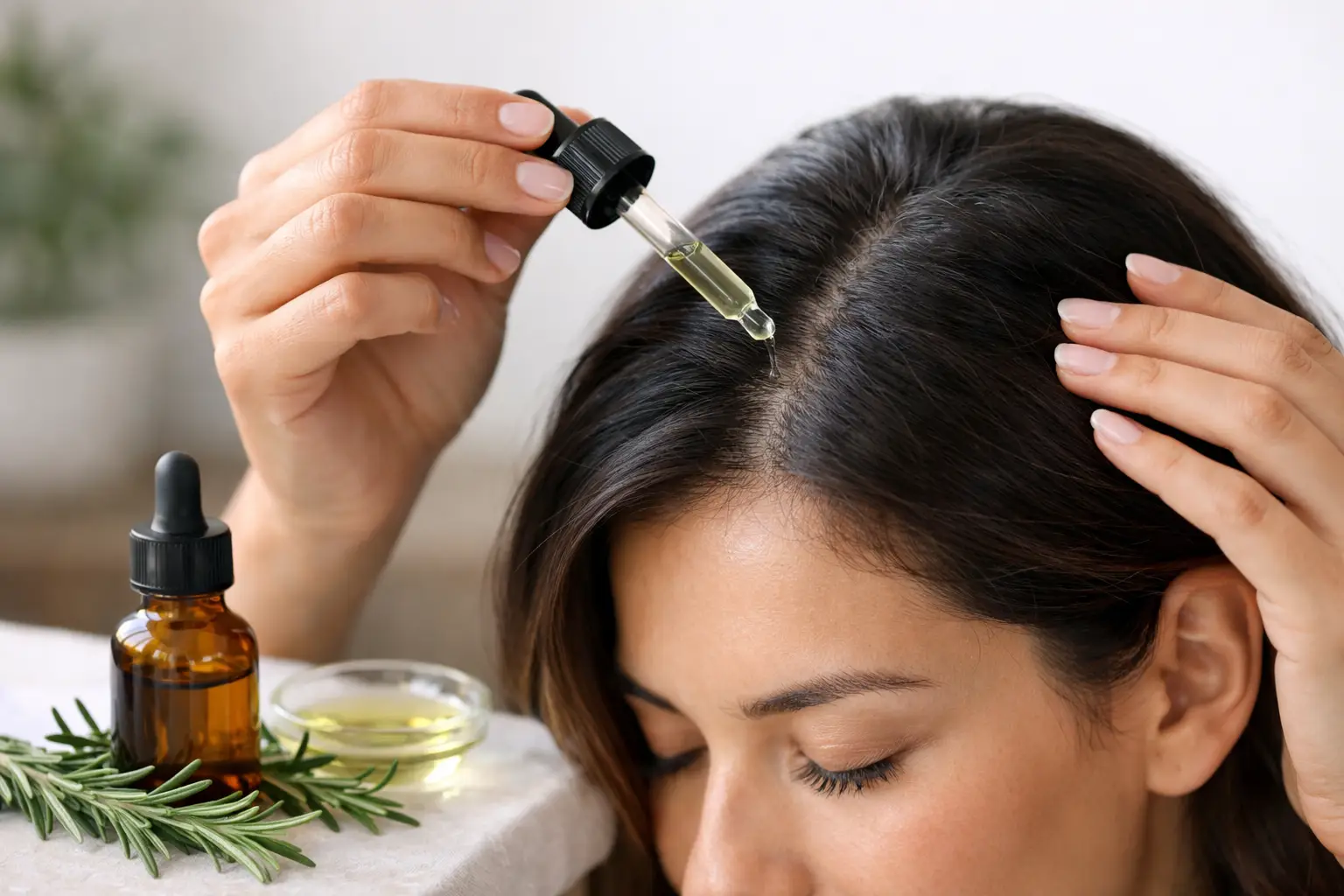
Hair growth products fail for one simple reason more often than people realize – they never become part of a real routine. If you’re wondering how to use rosemary scalp drops, the goal is not to flood your scalp and hope for the best. The goal is steady, targeted use that supports healthier roots, less visible shedding, and better conditions for stronger hair over time.
Rosemary scalp drops are popular because they fit into real life. You do not need a complicated treatment plan, harsh chemicals, or a full day at home to use them well. But how you apply them matters. The difference between “I tried it” and “I’m finally seeing progress” often comes down to placement, consistency, and what else is happening on your scalp.
How to use rosemary scalp drops for best results
Start with a scalp that is reasonably clean and free from heavy buildup. It does not need to be freshly shampooed every single time, but if you have layers of dry shampoo, styling cream, oil, or sweat sitting on the scalp, the drops are less likely to reach the skin where they need to work. Think of this as scalp care first, hair care second.
Part your hair in sections so you can apply the drops directly onto the scalp instead of mostly onto the hair strands. This step is where people often rush, especially if they have thicker hair or wear protective styles. A few clean parts across thinning areas, the crown, the temples, or anywhere you notice weakness makes the application much more effective.
Use the amount directed on your product label. More is not automatically better. If you oversaturate the scalp, you may end up with greasy roots, wasted product, and more irritation if your skin is sensitive. A focused amount spread across the target areas usually works better than drenching your whole head.
After applying, massage the drops in with your fingertips for one to two minutes. Keep the pressure gentle. You are not trying to scrub the scalp raw. A light massage helps distribute the formula and gives the scalp a small boost in circulation, which is one reason this step can make the routine feel more effective and more relaxing.
Then leave the product in unless the instructions say otherwise. Most rosemary scalp drops are designed as leave-in treatments. That is part of what makes them practical for daily or near-daily use.
When to apply rosemary scalp drops
You can use rosemary scalp drops in the morning or at night. The best time is the one you will actually stick with. If your mornings are rushed, nighttime usually works better because you can apply the drops, massage them in, and let the formula sit undisturbed while you wind down.
Morning use can work well too, especially if the formula is lightweight and non-greasy. That matters if you style your hair daily or do not want your roots to look flat. Some people prefer applying after a shower when the scalp is clean and the routine feels easy to remember.
There is no single perfect schedule for everyone. If you have fine hair and tend to get oily fast, once a day may be ideal. If your scalp is dry or stressed, you may find regular use especially helpful, but it still makes sense to watch how your skin responds rather than forcing an aggressive schedule.
Should you use rosemary scalp drops on wet or dry hair?
Usually, slightly damp or dry hair works best. The key is getting the drops onto the scalp itself. Soaking wet hair can make it harder to tell where the product is landing, and it can dilute the feel of the application. Dry hair gives you the most control, especially around the hairline and crown.
That said, if your routine is tied to wash day, towel-dried hair can be a good middle ground. The scalp is fresh, there is less buildup, and the product can still be placed where it belongs. If you try both methods, keep the one that helps you stay consistent.
How often to use rosemary scalp drops
Consistency beats intensity. Most people get better results from regular, repeated use than from applying a large amount once in a while. If the product directions recommend daily use, follow that plan for several weeks before deciding whether it is working for you.
Hair growth is slow. Scalp health improves before major visual changes show up. That means you may notice less dryness, less fallout during brushing, or a healthier feel at the roots before you notice obvious fullness. This is where many people quit too early.
A realistic window is several weeks to a few months, depending on your starting point, your overall hair health, and whether thinning is mild or more advanced. If you have been dealing with hair stress from heat styling, color damage, tight hairstyles, or seasonal shedding, routine use may help support recovery. If your hair loss is tied to hormones, medical issues, or significant scalp conditions, rosemary drops may still help as part of your regimen, but they may not be the whole answer.
Common mistakes that make scalp drops less effective
One of the biggest mistakes is applying only to the hair instead of the scalp. If the drops are sitting mostly on your strands, the roots are missing the point of the treatment.
Another issue is using the product randomly. Two days on, five days off, then a heavy application before wash day is not the kind of pattern that usually leads to visible progress. Hair routines need repetition.
People also tend to ignore scalp buildup. If you use a lot of styling products, have flakes, or go long stretches between washes, your scalp may need more attention. Rosemary drops work best when the scalp is in decent condition to receive them.
Then there is the temptation to expect overnight growth. That is not how healthy hair support works. The better mindset is to use the drops to create a healthier environment for growth and stronger-looking hair over time.
What to expect when you start
The first thing you may notice is how your scalp feels. A good rosemary formula can leave the scalp feeling refreshed, balanced, and less stressed without the heavy residue some oils leave behind. That is one reason so many people prefer drops over thick oil treatments.
With continued use, you may begin to see less breakage around the hairline, less shedding in the shower or brush, and improved softness or strength near the roots. Fuller-looking hair usually takes longer. New growth is gradual, and the exact pace depends on your routine and your hair history.
If you have a sensitive scalp, do a patch test first. Natural ingredients can still cause irritation in some people. If you feel burning, excessive itching, or redness that does not settle, stop using the product and reassess.
How rosemary scalp drops fit into a bigger hair routine
Scalp drops do more when the rest of your routine supports them. If your scalp is nourished but your hair is constantly hit with high heat, rough brushing, bleach, or tight ponytails, progress can feel slower than it should.
This is why a simple system often works better than random products collected over time. A scalp treatment helps support the roots. A thickening product can improve the look and feel of fuller hair while protecting strands day to day. Internal support matters too, especially if your diet is inconsistent or you want a more complete wellness-based routine.
That combination is one reason many people choose a more structured approach instead of chasing one miracle product after another. ROXIHAIR builds around that idea – making hair regrowth support easier to stick with at home, without harsh steps or guesswork.
Who should try rosemary scalp drops
Rosemary scalp drops make sense for adults dealing with thinning, excess shedding, slow growth, breakage, scalp dryness, or stress from coloring and styling. They can also be a smart option if you want a natural-feeling addition to your self-care routine instead of something clinical or difficult to maintain.
They are not magic, and they are not identical to prescription treatments. That trade-off matters. If you want a gentler, plant-based route that fits easily into daily life, rosemary drops are appealing. If you are dealing with sudden or severe hair loss, it is worth looking deeper into the cause while still supporting your scalp with a routine that makes sense.
The best results usually go to people who keep it simple: apply directly to the scalp, massage gently, use consistently, and give it time. Healthy-looking hair rarely comes from one dramatic moment. It comes from small steps repeated often enough to finally change what you see in the mirror.
If your hair has been asking for a reset, rosemary scalp drops are a smart place to start – not because they promise perfection, but because they give your scalp the steady support stronger hair actually needs.