

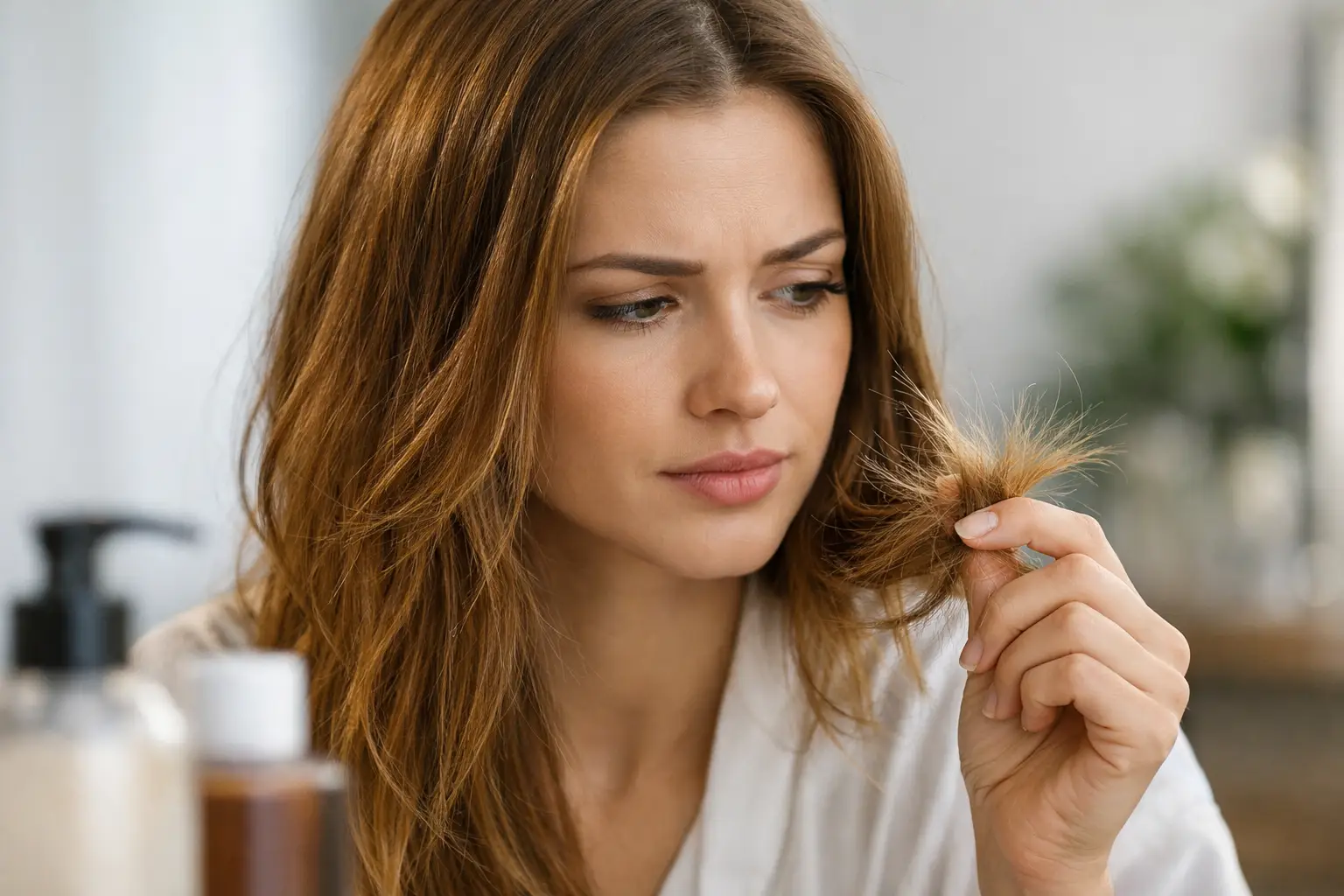
Fresh color can make your hair look expensive for about a week. Then the dryness shows up, the ends start snapping, and suddenly your brush is full of short broken pieces. If you want to repair damaged hair from coloring, you need more than a random mask and a hopeful attitude. You need a routine that calms the scalp, strengthens weak strands, and stops the cycle of overprocessing before it gets worse.
Color damage is rarely just about dryness. Bleach, permanent dye, and repeated touch-ups can rough up the cuticle, strip moisture, weaken protein structure, and leave both your scalp and lengths stressed. That is why hair can feel brittle, look dull, and seem thinner at the same time. The fix is not one miracle product. It is a smarter, gentler system.
Why coloring damages hair in the first place
Hair color works by changing the structure of the hair fiber. Permanent color lifts the cuticle so pigment can enter. Bleach goes further by breaking down natural melanin, and that process can leave the strand more porous and fragile. The more often you lighten, overlap color, or use high heat on top of it, the harder it becomes for hair to hold onto moisture and stay elastic.
That matters because healthy hair stretches slightly and bounces back. Damaged hair does not. It tangles easily, breaks during washing, and can feel gummy when wet or rough when dry. If your scalp is also irritated from coloring, you may notice more shedding, itching, or flakes, which makes the whole problem feel bigger fast.
Not every kind of color causes the same level of damage. A gloss or semi-permanent shade is usually easier on hair than repeated bleaching sessions. But even lower-lift color can add up if your hair is already fine, thinning, or heat-damaged.
How to repair damaged hair from coloring without making it worse
The first step is to stop treating damaged hair like it is healthy hair. If your strands are compromised, aggressive washing, daily heat styling, and constant color correction will keep undoing your progress.
Start with a wash routine that protects what you still have. Use a gentle shampoo, wash less often if your scalp allows it, and keep water warm instead of hot. Hot water can leave porous hair even drier and can make a sensitive scalp feel more inflamed.
Conditioning needs to be non-negotiable. Focus on moisture every wash day, especially through the mid-lengths and ends where color damage shows up first. A deep conditioning mask once or twice a week can help restore softness and reduce friction, which means less breakage during detangling and styling.
Protein can help too, but this is where balance matters. Hair weakened by coloring often benefits from strengthening treatments, yet too much protein can make already dry hair feel stiff. If your hair feels mushy, overly stretchy, or weak when wet, a bond-building or light protein treatment may help. If it feels hard and straw-like, lean harder into moisture.
Repair damaged hair from coloring by protecting the scalp
A lot of people focus only on the strand and ignore the scalp. That is a mistake, especially if your hair is thinning, shedding more than usual, or growing back slowly after repeated coloring.
A stressed scalp can make weak hair look even sparser. Irritation, dryness, and buildup may interfere with the environment healthy hair needs. Supporting the scalp with lightweight nourishing treatments can help create better conditions for stronger-looking growth over time.
This is where a consistent wellness routine matters more than occasional rescue products. Instead of waiting until your hair feels fried, build in support that targets both the scalp and the strand. Brands like ROXIHAIR center that kind of approach by pairing scalp care, thickening support, and internal nutrition in one simple system. For people dealing with color damage and visible thinning at the same time, that kind of routine makes more sense than chasing one-off fixes.
What to stop doing right now
If your goal is recovery, a few habits need to go. The biggest one is overlapping color on already processed hair. Touch up roots if needed, but dragging bleach or permanent dye through old damage is how minor dryness turns into major breakage.
Daily hot tools are another problem. Heat does not just dry the hair out. On fragile strands, it speeds up split ends and snapping. If you cannot give up heat completely, lower the temperature and always use protection. Air-drying partway before blow-drying can also reduce stress.
Tight styles are not helping either. Sleek ponytails and tension-heavy buns can make breakage around the hairline look like hair loss. If your hair is already compromised from color, wear looser styles while it recovers.
And be careful with trends. Clarifying every other day, layering oils on brittle ends without real hydration, or trying every repair product on your shelf at once can backfire. Damaged hair responds best to consistency, not chaos.
The routine that gives damaged color-treated hair the best chance
Think in three lanes: moisture, strength, and protection.
Moisture keeps hair flexible. That means conditioner every wash, a weekly mask, and leave-in support if your ends still feel rough. Fine hair may do better with lightweight creams or sprays, while thicker hair often needs richer formulas. The right choice depends on how quickly your hair gets weighed down.
Strength comes from treatments that help reinforce weakened strands and from reducing the habits that keep breaking them. Bond-building products can be useful after bleach or repeated lightening. Trims matter too. You do not need a dramatic cut, but if your ends are splitting all the way up, holding onto them will only make your hair look thinner.
Protection is what keeps your progress from disappearing. Use heat protectant, limit sun exposure when possible, and sleep on a smoother pillowcase if your hair tangles easily. Small changes reduce friction, and less friction means fewer broken pieces on your bathroom floor.
When damaged hair also looks thinner
This is where color damage gets emotionally exhausting. You are not just dealing with rough texture. You are dealing with less fullness, more visible scalp, and hair that no longer styles the way it used to.
Some of that is true shedding, especially if your scalp has been irritated or your routine has been harsh. Some of it is breakage, which creates flyaways and shorter pieces that make density look uneven. Often, it is both.
That is why the best plan is not just to smooth the surface. You need to support stronger-looking hair from the root while protecting the length you have left. Topical scalp support, daily thickening products, and nutritional support can work together better than relying on a single mask to do everything.
Results also take patience. Hair that has been damaged over months will not feel brand new in one weekend. You may notice softness and shine first, then less breakage, then better fullness as your routine starts to work with your hair instead of against it.
When to take a break from coloring
Sometimes the answer is not a better product. It is a pause.
If your hair feels stretchy when wet, keeps breaking no matter how gently you handle it, or looks see-through at the ends, another color appointment may cost you more hair than it is worth. A break gives you time to rebuild strength and focus on scalp health. You do not have to give up color forever, but you may need to switch to lower-maintenance options for a while, like root blending, glosses, or stretching appointments farther apart.
A good colorist can help you make that call, but your hair is usually honest before anyone else is. If it is telling you it is overprocessed, believe it.
What healthy recovery actually looks like
Repair does not mean turning heavily bleached hair back into untouched virgin hair. Some damage is permanent until it grows out. What you can do is make your hair softer, stronger, less breakable, and visibly fuller with the right care.
That means fewer split ends, less fallout from brushing, better shine, and hair that does not feel like it might snap every time you touch it. It also means a scalp that feels calmer and a routine you can actually stick to.
If your hair has been through too much color, do less, but do it better. Feed the scalp. Protect the strand. Stay consistent long enough to see change. Damaged hair does not need more punishment. It needs a recovery plan that gives it a real chance to come back stronger.