
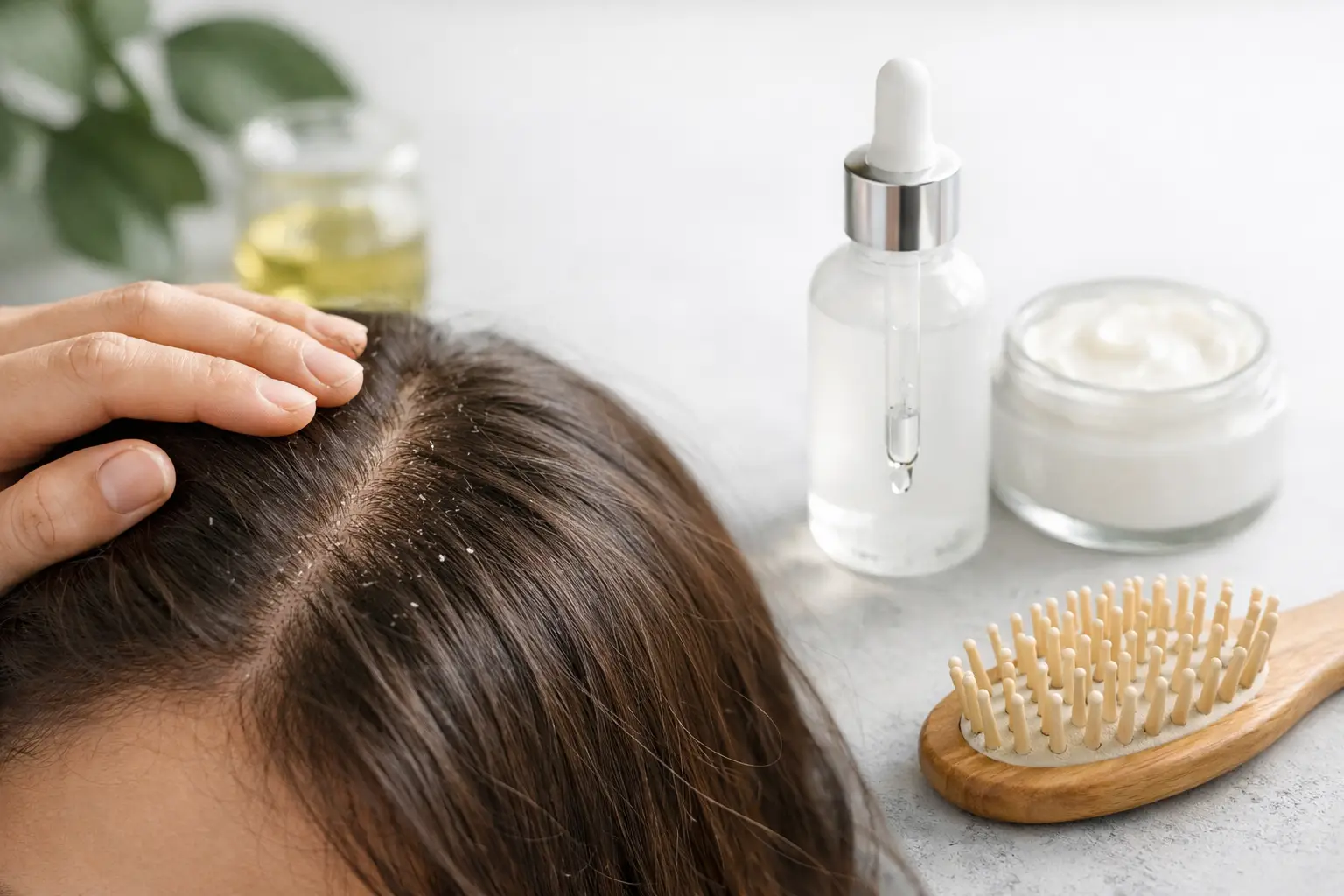
If your scalp feels itchy by noon, flakes show up on dark tops, and your hair seems thinner than it did a few months ago, the problem may not be your hair alone. Scalp care for dandruff and hair loss matters because a stressed, inflamed scalp can make healthy-looking growth much harder to maintain.
A lot of people treat dandruff and hair thinning as two separate issues. Sometimes they are. But often, they overlap. When your scalp is irritated, oily, dry, or clogged with buildup, your hair environment gets less supportive. That does not mean every flake causes shedding or every shed hair points to dandruff. It does mean your scalp deserves more attention than a quick shampoo and rinse.
Why scalp care for dandruff and hair loss goes together
Your scalp is skin. When that skin is out of balance, it can affect comfort, appearance, and the look of your hair density. Dandruff often shows up as visible flakes, itching, and irritation. Hair loss can look like increased shedding in the shower, more strands on your brush, widening parts, or less fullness around the hairline.
The connection is not always direct, but it is real. An irritated scalp can lead to scratching, and frequent scratching can increase stress on already fragile strands. Heavy buildup from oils, styling products, and dead skin can also leave the scalp feeling congested. On top of that, if you are avoiding washing because you think it will make shedding worse, dandruff can get more stubborn over time.
There is also a simple truth many people miss. A healthy scalp creates better conditions for stronger-looking hair. If your goal is fuller, healthier hair, scalp care is not optional. It is the foundation.
What actually causes flakes and shedding
Dandruff is not always just dryness. In many cases, it is tied to excess oil, irritation, sensitivity to scalp yeast, or product buildup. That is why random moisturizing products do not always fix it. Sometimes they make the scalp feel heavier and greasier instead.
Hair loss has more than one cause too. It may be linked to stress, hormones, age, styling damage, tight hairstyles, poor scalp health, or genetics. Some people deal with temporary shedding after illness or major life changes. Others notice gradual thinning over time.
This is where the trade-off matters. You do not want to attack dandruff so aggressively that your scalp becomes stripped and reactive. But you also do not want to leave flakes, oil, and inflammation sitting there unchecked. The best routine is balanced. It keeps the scalp clean, calm, and supported without making the hair brittle.
The routine that helps most people
A good scalp routine should feel simple enough to stick with. If it is too complicated, most people quit before they see results.
Start with regular cleansing. If your scalp gets oily, itchy, or flaky, washing more consistently often helps more than stretching wash days. That does not mean you need harsh shampoo every day. It means you should stop thinking of shampoo as the enemy. For many people with dandruff, an under-washed scalp keeps the cycle going.
Choose a shampoo that targets flakes without leaving your hair feeling like straw. If your dandruff is mild, you may do well with a gentle balancing formula. If it is more persistent, a targeted anti-dandruff shampoo can help. What matters is how your scalp responds after a few weeks, not after one wash.
Next, pay attention to what happens after cleansing. Heavy styling residue, greasy roots, and dry lengths often show up together. That is why your products should do different jobs. Your scalp needs support and your strands need protection. Treating only one side of the problem can leave you frustrated.
A lightweight scalp treatment can make a real difference, especially if your scalp feels stressed or your hair looks less dense than it used to. Natural ingredients like rosemary are popular for a reason. They support a healthier scalp environment without the harsh feel of stronger solutions that some people cannot tolerate.
Scalp care mistakes that can make things worse
One common mistake is scratching or picking flakes off the scalp. It is tempting, especially when the itching is bad, but it can increase irritation and make your scalp angrier than it already is.
Another mistake is overloading the roots with thick oils and dense styling products. Oils can be helpful in some routines, but dandruff-prone scalps do not always love heavy layers. If your scalp already feels congested, piling more on top may leave it itchier and harder to rebalance.
Heat styling can also work against you. Blow dryers, hot tools, and constant tension from tight ponytails or slicked-back styles can stress both the scalp and the hair shaft. If your hair is already shedding more than usual, this is the time to be gentler.
Then there is inconsistency. People often switch products every week, hoping for overnight results. Scalp care usually takes patience. You need enough time to see whether a routine is calming flakes and reducing excess shedding.
How to support growth while calming dandruff
This is where a complete routine matters. You want to reduce the scalp stress that contributes to flaking while also giving your hair the support it needs to look fuller and stronger.
Scalp-first care works best when paired with strand support and internal support. In practical terms, that means nourishing the scalp, protecting the hair you already have, and not ignoring the role of nutrition in hair wellness. If your hair feels thin, weak, or slow to grow, a one-product approach may not be enough.
That is why so many people do better with a routine that combines a scalp treatment, a thickening product for visible fullness, and nutritional support. It is not about making your shelf more crowded. It is about covering the basics in a way that is easy to repeat.
For example, rosemary scalp drops fit naturally into a dandruff-and-thinning routine when they are lightweight and easy to apply. A thickening spray can help fragile hair look fuller while also protecting against daily stress. Biotin gummies can support the bigger picture for people who want a more complete hair wellness routine. ROXIHAIR built its system around that exact idea – simple steps, natural support, and visible results without turning your routine into a second job.
When scalp care for dandruff and hair loss needs extra attention
Sometimes the issue is bigger than standard flakes or normal shedding. If you have thick crusting, pain, redness that spreads, sudden bald patches, or dramatic hair fall in a short time, it is smart to get professional input. The same goes for dandruff that does not improve after trying a consistent routine for several weeks.
There is no shame in needing a closer look. Scalp concerns can come from several causes, and not all of them respond to the same products. The goal is not to guess forever. The goal is to get your scalp back to a healthier place as quickly as possible.
What results should you realistically expect?
You may notice less itch and fewer visible flakes first. That tends to happen before major changes in how full your hair looks. Reduced irritation is a win. It usually means your scalp is becoming a better place for healthy-looking hair.
With consistent care, many people also notice less breakage, less day-to-day shedding, and hair that looks fresher at the roots. Fuller-looking results can take longer, especially if thinning has been going on for a while. Fast promises sound great, but the truth is that scalp recovery and visible hair improvement often happen in stages.
What matters most is sticking with a routine that makes sense for your scalp type and your goals. Cleanse consistently. Use scalp-focused treatments that support balance instead of overwhelming the skin. Protect your strands. Support your body from within if your routine needs that extra layer.
Your scalp does not need punishment. It needs the right kind of care. When flakes calm down and your scalp feels healthier, your hair has a better chance to look stronger, thicker, and more alive. Sometimes the turning point is not another styling trick. It is finally treating the scalp like the starting point it has always been.