

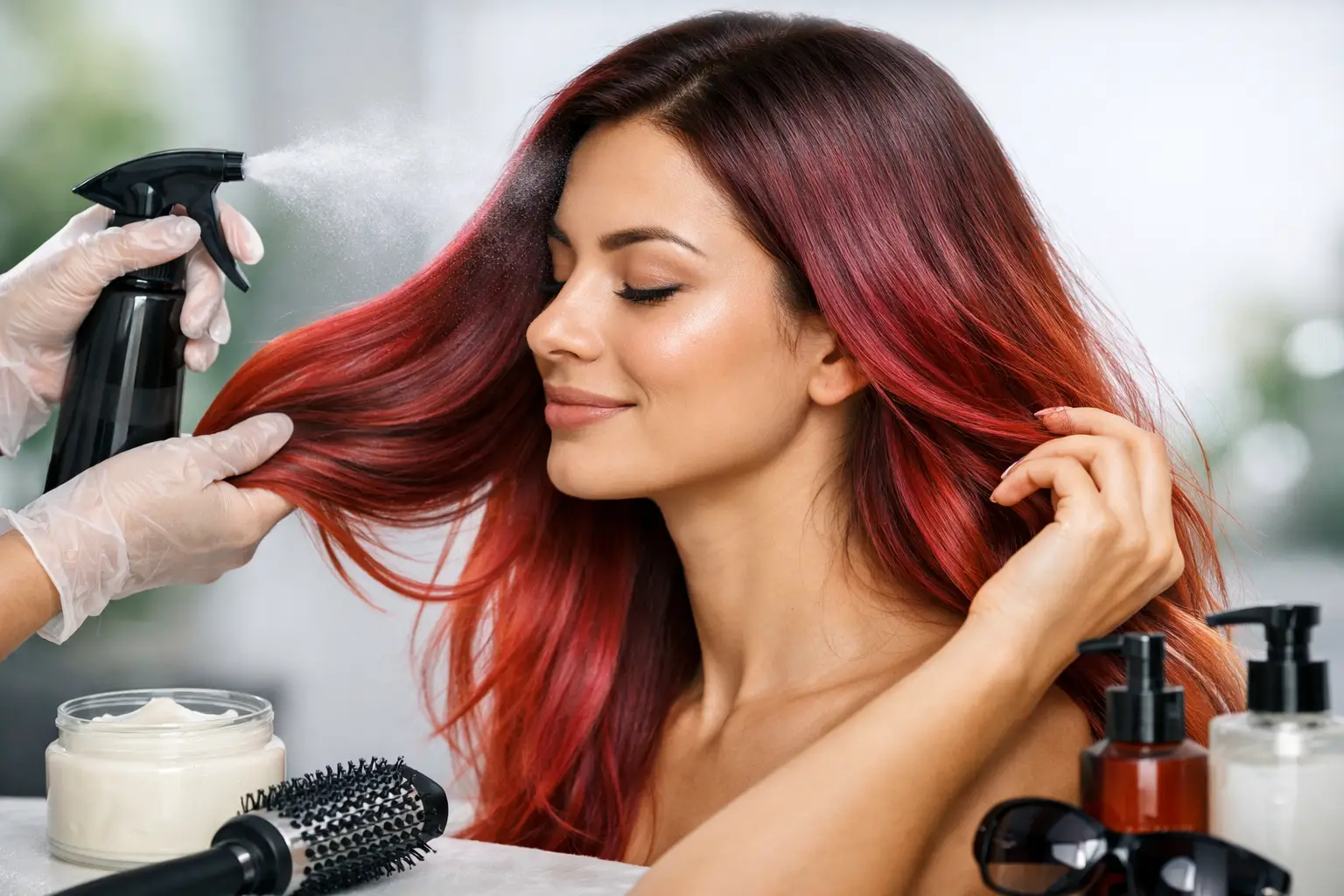
Fresh color can make hair look richer, brighter, and instantly more polished. But if your hair starts feeling rough, shedding more in the shower, or fading after only a few washes, the color routine may be taking more than it gives. Learning how to protect colored hair is about preserving the shade you love while keeping your strands and scalp in a better place.
Color-treated hair needs a little more intention, especially if you already deal with thinning, breakage, dryness, or a stressed scalp. The goal is not to avoid washing or styling forever. It is to reduce the everyday damage that makes colored hair look dull and feel weaker.
Why Colored Hair Needs Extra Protection
Hair color works by changing the hair shaft. Permanent color and lightening services typically lift the outer cuticle so pigment can enter or existing pigment can be removed. That process can leave the cuticle less smooth, which makes it easier for moisture to escape and for strands to snag, frizz, and break.
The more dramatic the color change, the more protection your hair may need. Going lighter, frequent root touch-ups, bleach, and corrective color can be especially drying. Even darker shades and glosses can fade faster when hair is exposed to hot water, harsh cleansers, UV rays, and high-heat tools.
That does not mean color is off-limits. It means your at-home routine needs to support strength, moisture, and scalp comfort between salon visits. Healthy-looking color starts with hair that is not constantly fighting preventable damage.
How to Protect Colored Hair From Fading
The fastest way to fade a fresh shade is often not the color service itself. It is the routine that follows it. A few smart changes can help your color stay vibrant longer without making hair care complicated.
Wait before your first wash
If your stylist gives you a specific timeline, follow it. Otherwise, waiting about 48 to 72 hours after coloring before shampooing can give the color time to settle. Washing immediately, particularly with hot water, may cause a fresh shade to lose some richness sooner.
After that first wash, aim to shampoo only as often as your scalp truly needs. Some people with fine hair need more frequent cleansing than others, while dry, textured, or coily hair may do better with more time between wash days. The best schedule is one that keeps your scalp clean without stripping your lengths.
Turn down the water temperature
A steamy shower feels good, but very hot water can rough up the hair cuticle and allow color to escape faster. Use lukewarm water when you shampoo, then rinse conditioner with cool or slightly cooler water if it feels comfortable. This small switch helps hair look smoother and more reflective.
Choose gentle, color-conscious cleansing
Look for a shampoo made for color-treated hair and avoid formulas that leave your hair squeaky, tangled, or tight at the scalp. That stripped feeling is not a sign of a better clean. It can be a sign that your cleanser is too aggressive for color-processed strands.
Focus shampoo at the scalp, where oil and buildup collect. Let the suds rinse through the mid-lengths and ends instead of aggressively scrubbing every inch of hair. Follow with conditioner from the middle of the hair down, concentrating on the driest areas.
Protect hair from sun, pool, and saltwater exposure
UV exposure can make color look brassy, faded, or flat, especially on lighter and red-toned hair. Before extended time outdoors, wear a hat or use a hair product with UV protection. If you swim, wet your hair with fresh water first and apply a lightweight leave-in conditioner. Hair that is already saturated with clean water is less likely to absorb as much chlorinated or salty water.
Rinse your hair as soon as you can after swimming. Waiting until later gives pool chemicals and salt more time to dry out your strands and affect the tone.
Put Strength and Moisture in the Same Routine
Colored hair can need both moisture and protein, but the balance matters. Moisture helps dry hair feel softer and more flexible. Protein-focused treatments can temporarily reinforce weakened areas. Too much of either can leave hair unhappy: too much moisture may make fine hair feel limp, while too much protein can make it feel stiff.
Start by paying attention to the signals. Hair that feels crunchy, rough, or overly stretchy when wet may benefit from a strengthening treatment used occasionally. Hair that feels dry, puffy, or difficult to detangle may need richer conditioning and a leave-in product.
A weekly mask can make a real difference, particularly after highlights, bleach, or frequent color appointments. Use it in place of conditioner once a week, not necessarily every wash day. If your hair is fine or prone to looking flat, choose a lighter formula and apply it mainly to the ends.
The scalp deserves attention too. Color-treated hair can still become thin-looking when shedding, breakage, buildup, or irritation gets in the way. A clean, balanced scalp creates a better environment for the hair you have. Gentle scalp massage, careful cleansing, and a consistent scalp-support routine can be more helpful than constantly adding heavy oils to fragile lengths.
For people concerned about both color damage and thinning, ROXIHAIR’s approach is simple: support the scalp, protect the strands, and stay consistent with internal wellness habits rather than relying on one quick fix.
Heat Styling: The Trade-Off That Shows Up Fast
Heat styling is not automatically bad, but repeated high heat can fade color and weaken already-processed hair. Flat irons, curling irons, and blow-dryers can all pull moisture from the hair shaft when used too hot or too often.
Always apply a heat protectant before blow-drying or using hot tools. Then lower the temperature. Fine, fragile, or lightened hair usually needs less heat than thick, resistant hair. One slow pass at a safer setting is better than multiple passes at maximum heat.
Give your hair a few heat-free days each week when possible. Air-dry with a leave-in conditioner, try a loose braid, or use a low-tension style that does not pull on the roots. If you color your hair regularly and notice more hair fall, do not ignore the role of tight ponytails, extensions, rough brushing, and daily heat. Breakage can make thinning look more dramatic even when the issue is happening along the lengths, not at the follicle.
Be Gentle When Hair Is Wet
Wet, color-treated hair is more vulnerable to stretching and snapping. Avoid rubbing it dry with a rough bath towel. Instead, gently squeeze out excess water with a soft microfiber towel or cotton T-shirt.
Detangle patiently, starting at the ends and moving upward in sections. A wide-tooth comb or flexible detangling brush is usually a better choice than forcing a fine brush through knots. If your hair tangles easily, add a lightweight leave-in conditioner before combing.
This is one of the most overlooked ways to keep color-treated hair looking fuller. Less breakage means better-looking ends, more visible density, and a smoother overall finish.
Time Your Color Appointments Wisely
Trying to stretch color too long can be frustrating, but coloring too frequently can create a damage cycle. Talk with your stylist about a maintenance plan that fits your shade and your hair condition. Root blends, glosses, lowlights, and partial highlights may help you refresh your look with less processing than a full-color appointment every time.
If your hair feels noticeably weaker, breaks easily, or your scalp burns during color services, pause before booking another major change. A trim, conditioning phase, and lower-maintenance color plan may be the smarter move. The healthiest color is not always the lightest blonde or the boldest red. It is the shade your hair can handle while still feeling strong.
Your Colored Hair Protection Routine
Keep the routine realistic: cleanse gently, condition every wash, use a mask weekly, protect against heat and sun, and treat wet hair with patience. If you use scalp treatments or hair growth-support products, apply them as directed and avoid layering heavy products that leave your roots coated.
Consistency is what keeps a beautiful shade from turning into dry, faded, fragile hair. Protect the color, but do not forget the hair underneath it. When your scalp is cared for and your strands get the support they need, your color has a better chance to look glossy, feel soft, and stay worthy of every compliment.



Leave a Reply