
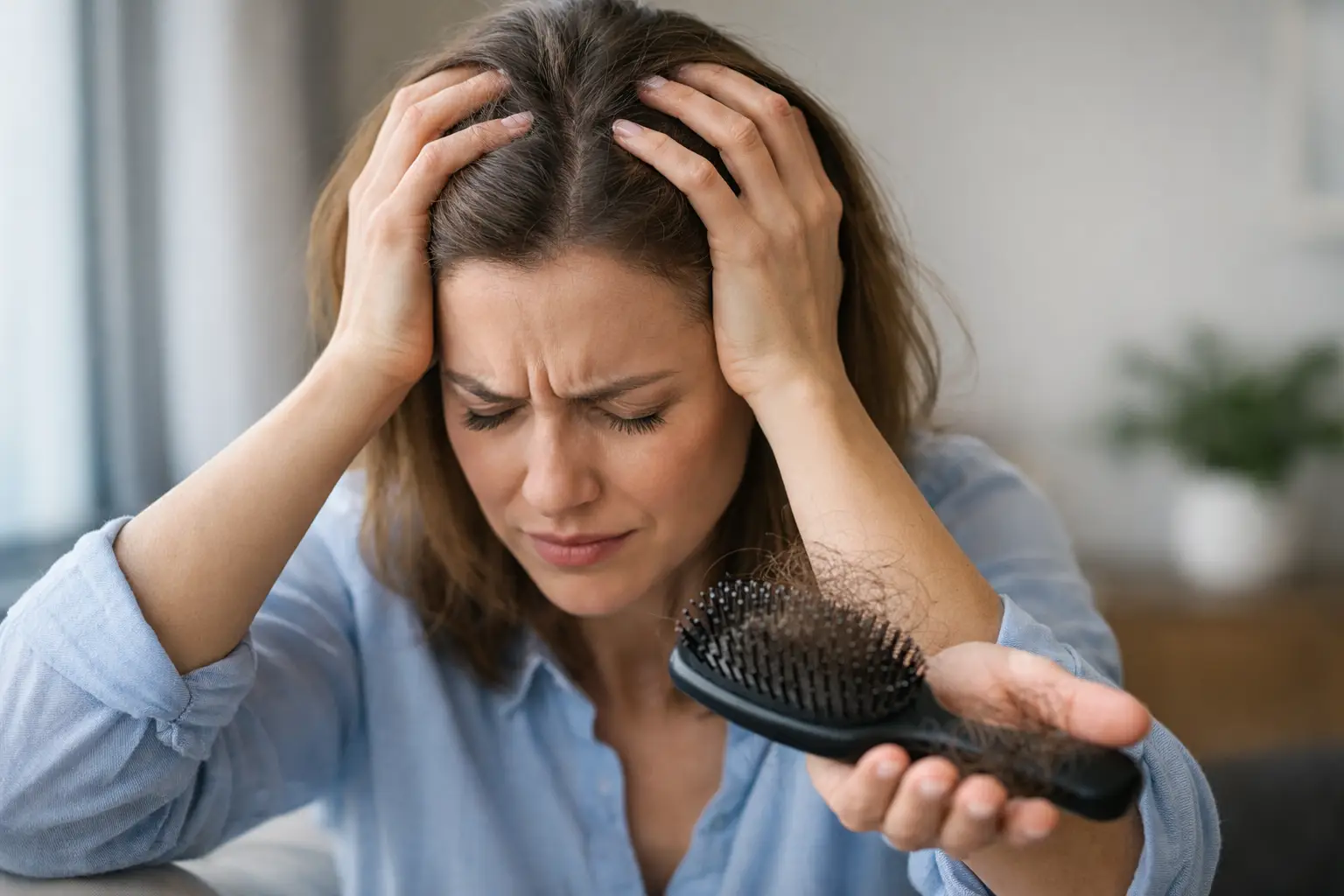
You wash your hair, glance down, and there it is – more strands than usual circling the drain. If your scalp has also felt tight, itchy, tender, flaky, or just off, the question comes fast: can scalp stress cause shedding? In many cases, yes. A stressed scalp can absolutely create the kind of environment where hair sheds more easily, grows less efficiently, and struggles to stay anchored.
That does not mean every shed hair points to a scalp problem. Hair loss is rarely that simple. Hormones, illness, nutrition, postpartum shifts, medication, and genetics can all play a role. But when the scalp is irritated, inflamed, overloaded, or neglected, it can make an already frustrating hair situation worse.
Can scalp stress cause shedding or just make it look worse?
It can do both. Sometimes scalp stress contributes directly to increased shedding. Other times, it weakens the hair environment enough that normal shedding feels more dramatic because strands are already finer, more fragile, or breaking alongside true shedding.
Your scalp is living tissue. It is not just where hair sits. Healthy growth depends on a balanced scalp barrier, consistent circulation, proper oil levels, and follicles that are not being disrupted by inflammation or buildup. When that balance gets thrown off, the growth cycle can suffer.
A stressed scalp may come from chronic dryness, product buildup, over-cleansing, harsh color processing, tight styles, scratching, sun exposure, dandruff, or ongoing inflammation. Emotional stress can also show up on the scalp through tension, increased oil changes, and flare-ups of existing conditions. The result is often the same – follicles are not getting the calm, supported environment they need.
What scalp stress actually means
Scalp stress is not one formal diagnosis. It is a practical way to describe a scalp that is under strain. That strain can be physical, chemical, environmental, or internal.
If your scalp feels sore after wearing tight ponytails, that is a form of stress. If it burns after bleaching, that is scalp stress. If flakes, itching, redness, and oil imbalance keep coming back, that is scalp stress too. Even a routine packed with dry shampoo, heavy styling products, and infrequent cleansing can create buildup that leaves the scalp congested and uncomfortable.
Hair follicles are resilient, but they are not invincible. Ongoing irritation can shift more hairs into the shedding phase sooner than you want. It can also affect the quality of new growth, especially if the issue goes on for months.
Signs your scalp may be contributing to hair fall
The scalp usually gives clues before the shedding feels severe. You may notice itching, stinging, excess oil, flakes, tenderness, redness, or a sensation of tightness. Some people describe it as their scalp feeling fatigued. Others notice hair gets greasy faster at the roots while still feeling dry through the lengths.
Another common sign is increased shedding after periods of heavy styling, frequent heat use, coloring, or wearing tight protective styles for too long. In those cases, the scalp and hair are both under pressure.
If your part looks wider, your ponytail feels thinner, and your scalp has felt irritated at the same time, it is worth paying attention to the scalp instead of only chasing strand-level fixes.
How inflammation affects the hair cycle
Inflammation is one of the biggest reasons the answer to can scalp stress cause shedding is yes. When the scalp is inflamed, follicles may struggle to maintain a healthy growth cycle. That can shorten the growing phase, push more hairs into resting, and increase visible fall later.
This is not always dramatic inflammation you can see. Sometimes it is low-grade and persistent. Mild itch, recurring flakes, a little redness around the hairline, or tenderness after styling may seem manageable, but over time they can keep the scalp from functioning at its best.
Inflammation also tends to snowball. An irritated scalp gets scratched. Scratching disrupts the skin barrier. A damaged barrier becomes more reactive to products, sweat, and friction. Then the scalp becomes even more uncomfortable, and the cycle continues.
Tension matters more than people think
Not all scalp stress is about skin irritation. Mechanical tension matters too. Tight buns, braids, extensions, slick styles, and constant pulling can stress follicles day after day. At first, you may only notice soreness or bumps around the hairline. Later, shedding and thinning can follow.
This type of stress is especially frustrating because the style may look polished while the scalp is quietly struggling underneath. If you feel relief the moment you take your hair down, that style is probably too tight.
Gentler styling does not mean giving up on looking put together. It means rotating styles, loosening tension points, and giving your scalp regular recovery time.
Product overload can create a stressed scalp
A lot of people trying to fix shedding accidentally overwhelm their scalp. They stack oils, sprays, powders, dry shampoo, mousse, texture products, and heat protectants without properly cleansing between uses. That buildup can trap oil, dead skin, and residue around follicles.
The answer is not scrubbing aggressively. It is creating a cleaner, smarter routine. A healthy scalp usually responds better to consistency than to extremes. Overwashing can strip and irritate. Underwashing can congest. The sweet spot depends on your scalp type, lifestyle, and product use.
If your roots feel heavy, itchy, or coated, your scalp may be asking for a reset.
Can emotional stress show up on the scalp?
Yes, and this is where things get layered. Emotional stress does not always attack the scalp directly, but it can influence oil production, inflammation, tension, sleep, and hormonal balance. It can also trigger habits like scratching, picking, overwashing, or neglecting your routine altogether.
That means emotional stress and scalp stress often overlap. If your shedding started during a high-stress season and your scalp has felt irritated too, both may be part of the picture.
This is why one miracle product rarely solves everything. Hair wellness usually responds best when you support the scalp externally and the body internally.
What to do if scalp stress is causing shedding
Start by calming things down. If your scalp is irritated, simplify your routine for a few weeks. Pull back on harsh treatments, very hot tools, heavy fragrances, and tight styling. Focus on gentle cleansing, light scalp nourishment, and less friction.
Scalp massage can help, but only if your scalp is not inflamed or painful. Done gently, it may support circulation and help product distribute more evenly. Done aggressively, it can make an irritated scalp angrier. Pressure should feel soothing, not intense.
It also helps to support the full hair system, not just the scalp surface. That means protecting strands from breakage, using formulas that help the hair look fuller while it recovers, and making sure your nutrition is not working against your progress. A consistent routine often outperforms a shelf full of random fixes.
For people dealing with thinning, this is where a coordinated approach makes sense. A scalp-supporting topical, a strand-focused thickening product, and internal support can work together better than relying on one category alone. That is part of why brands like ROXIHAIR build routines instead of one-off products – because stronger-looking, healthier hair usually needs support from more than one angle.
When shedding is probably not just scalp stress
Sometimes the scalp is a factor, but not the whole story. If shedding is sudden, severe, patchy, or lasting for months, it is smart to think bigger. Hormonal changes, thyroid issues, iron deficiency, postpartum shedding, illness, and certain medications can all trigger noticeable hair loss.
If your scalp looks completely normal but your shedding is heavy, the cause may be more internal than topical. If you have pain, scabbing, bald patches, or significant scaling, it is worth getting expert guidance sooner rather than later.
There is no benefit in guessing for too long while your hair keeps thinning. The earlier you identify what is driving the issue, the easier it is to build a routine that actually fits.
Can scalp stress cause shedding long term?
It can if it is ignored. Short-term irritation may lead to temporary increased shedding that improves once the scalp recovers. But repeated inflammation, chronic tension, or ongoing barrier disruption can create a more stubborn problem.
The good news is that the scalp often responds well when you stop overcomplicating things and start treating it like the foundation of hair growth. Healthy-looking hair does not begin with styling tricks. It begins with a scalp that is clean, balanced, nourished, and not constantly under attack.
If your scalp has been sending warning signs, believe them. Shedding is not always random, and it is not always something you have to just accept. Give your scalp a calmer routine, give your hair consistent support, and give the process enough time to work. Your next phase of growth may depend less on doing more and more on finally doing what your scalp has been asking for.