
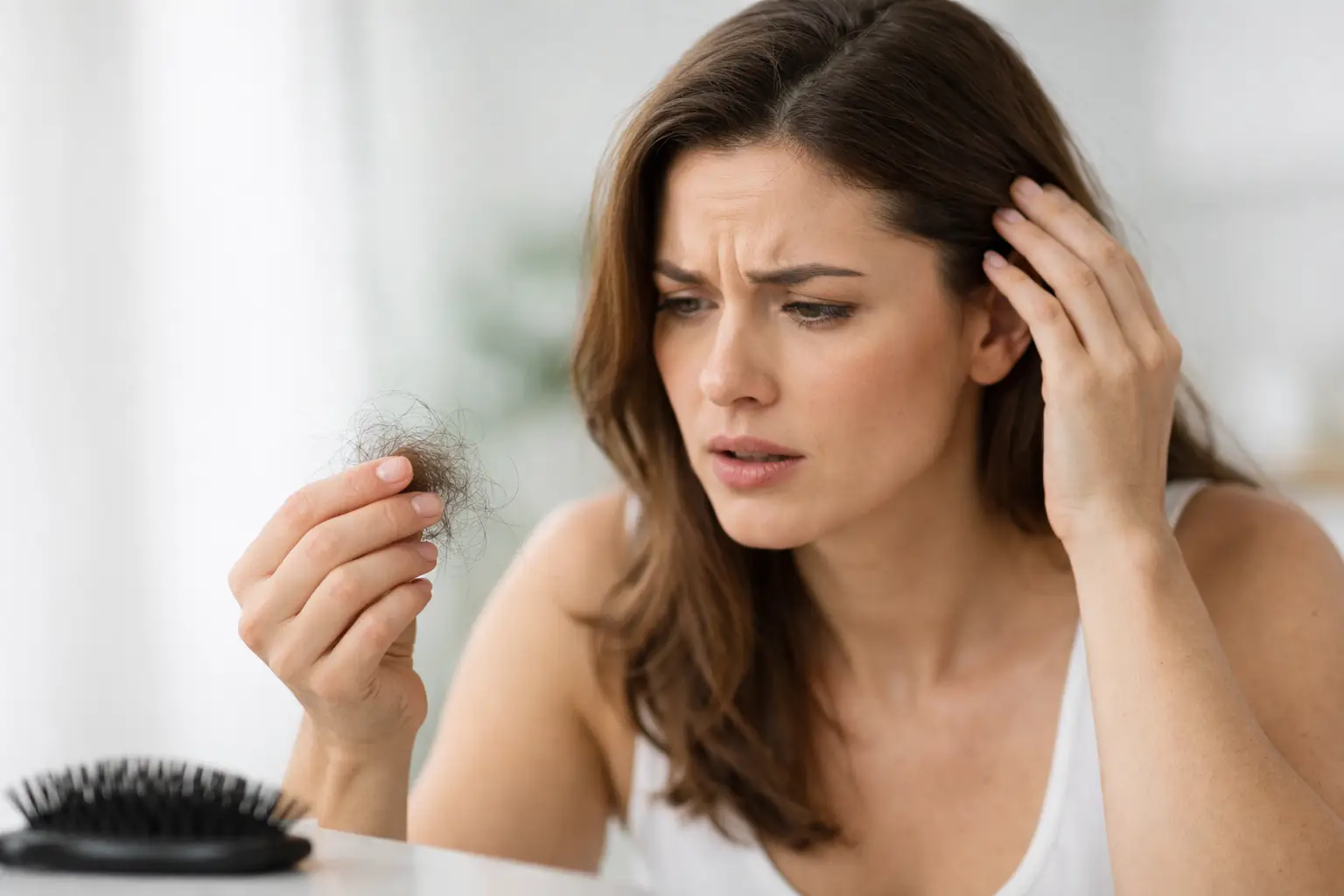
You notice it in the shower first. Then on your brush. Then on your shirt, your pillow, and wrapped around your fingers when you apply product. If you have been asking, why is my hair shedding suddenly, the change can feel alarming fast – especially if your hair used to seem stable.
Sudden shedding does not always mean permanent hair loss. In many cases, it is your body reacting to stress, hormones, illness, nutrition gaps, or scalp strain. The key is figuring out whether you are seeing temporary shedding, breakage that looks like shedding, or the early signs of a bigger hair-thinning issue that needs a more focused plan.
Why is my hair shedding suddenly all at once?
Hair grows in cycles. At any given time, some strands are actively growing, some are resting, and some are ready to shed. When something disrupts that cycle, more hairs than usual can shift into the shedding phase at the same time. That is why hair fall can seem to start out of nowhere.
One of the most common reasons is a condition called telogen effluvium. You do not need to memorize the term. What matters is what it does. It pushes a larger number of hairs into the resting stage, so a few weeks or months later, you suddenly start losing more hair than normal. This often shows up after a stressful event, major illness, surgery, rapid weight loss, childbirth, or a big hormonal shift.
The frustrating part is timing. The trigger and the shedding do not always happen together. You might be feeling better now, while your hair is just starting to react.
Common causes of sudden hair shedding
Stress is high on the list, and not just emotional stress. Physical stress matters too. A high fever, a bad infection, a demanding recovery period, or a dramatic change in sleep can all affect the hair growth cycle. Even if life feels manageable mentally, your body may still be signaling that it is under pressure.
Hormones are another major factor. Postpartum shedding is common, and so is hair fall around perimenopause, menopause, thyroid imbalance, or after starting or stopping certain birth control methods. When hormones shift, hair often responds quickly.
Nutrition can also show up on your scalp before you notice it anywhere else. Low iron, low protein intake, low vitamin D, and restrictive dieting can all contribute to sudden shedding. Hair is not essential for survival, so when your body is running low on nutrients, it may redirect resources elsewhere.
Then there is scalp stress. Tight hairstyles, heat styling, bleach, harsh color routines, and product buildup can weaken strands and irritate the scalp. In that case, some of what looks like shedding may actually be breakage. The difference matters because breakage usually comes from damage along the hair shaft, while shedding comes from the root.
Certain medications may play a role too. Some people notice increased hair fall after starting medications related to blood pressure, mood, hormones, acne treatment, or weight management. This does not mean you should stop a prescribed medication on your own, but it is worth discussing with a healthcare provider if the timing lines up.
Shedding vs. breakage: how to tell what you are seeing
This is where many people get confused. If you see full strands with a tiny white bulb on one end, that is usually shed hair. It came out from the root. If you see shorter pieces without the bulb, especially in different lengths, that points more toward breakage.
Breakage often shows up with dryness, rough ends, frizz, and weak spots around the hairline or crown. Shedding tends to feel more dramatic in the shower or when brushing because full-length strands are coming out in larger amounts.
Some people are dealing with both at once. A stressed scalp and weakened strands can create a cycle where hair falls more easily and also snaps more easily. That is why a complete routine matters more than chasing one miracle product.
What counts as normal hair shedding?
Some daily shedding is completely normal. Hair naturally renews itself, and losing strands every day is part of the process. The problem is not seeing a few hairs. The problem is seeing a clear jump from your normal pattern.
If your ponytail feels thinner, your part looks wider, your scalp feels more visible under bright light, or your shedding has stayed high for several weeks, that is worth paying attention to. The change in your baseline matters more than any one number.
What to do when your hair starts shedding suddenly
Start simple. Look back at the last two to three months. Did you go through illness, high stress, a diet change, postpartum recovery, medication changes, or heavy chemical processing? That timeline often reveals the trigger.
Then shift into protection mode. This is not the moment for aggressive styling or harsh products. Treat your scalp and strands like they need support, not punishment. Go easier on heat. Avoid tight ponytails and slicked-back styles. If your hair is colored or bleached, give it a break from back-to-back processing.
Your routine should also support growth from more than one angle. A healthy scalp environment matters. Daily strand support matters. Nutritional support matters. That is why many people get better results from a consistent system instead of trying random single products and hoping one of them fixes everything.
Natural scalp care can be especially helpful if your shedding is tied to stress, irritation, or weak-feeling roots. Ingredients like rosemary are popular for a reason. They are widely used to support scalp circulation and create a healthier setting for stronger-looking hair. Internal support matters too, especially if your body has been under pressure or your diet has been inconsistent.
This is also where consistency wins. Hair does not usually bounce back overnight. Even when shedding slows down, regrowth takes time to become visible. A steady routine is usually more effective than switching products every two weeks.
When sudden shedding needs medical attention
If you are wondering why is my hair shedding suddenly and the loss is severe, patchy, painful, or paired with scalp redness, itching, flaking, or bald spots, it is smart to get checked. The same goes if you notice fatigue, major weight changes, irregular periods, or other symptoms that suggest a thyroid, hormone, or nutrient issue.
A healthcare professional can help rule out underlying causes like iron deficiency, thyroid imbalance, autoimmune conditions, or medication-related shedding. Getting answers early can save you months of guessing.
If shedding has continued beyond a few months with no sign of slowing, do not brush it off. Temporary shedding often improves once the trigger passes, but ongoing loss may need a more targeted approach.
Can hair grow back after sudden shedding?
Often, yes. That is the encouraging part. If the cause is temporary and the follicles are still healthy, hair can recover. The catch is that regrowth is slower than shedding. You may lose hair quickly, then wait months to see fullness return.
New growth can start as soft, fine hairs around the hairline or part. Over time, those strands can become stronger and thicker with the right care. This is why patience matters, but so does using products and habits that actually support the process instead of making your scalp work harder.
For many people, the best path is a simple one: support the scalp, protect the hair you still have, nourish from within, and stay consistent long enough to judge results honestly. That kind of routine is exactly why brands like ROXIHAIR focus on a combined approach instead of a one-step fix.
The bottom line on sudden shedding
Sudden hair shedding can feel personal, but it is often your body sending a signal, not a sign that all hope is lost. Stress, hormones, illness, nutrition, and hair damage can all push your cycle off track. The sooner you spot the likely cause and switch to a scalp-friendly, growth-supportive routine, the better your chances of getting ahead of it.
If your hair has been falling more than usual, do not panic and do not ignore it. Listen to the pattern, treat your scalp with care, and give your hair the kind of steady support that helps it come back stronger.



Leave a Reply