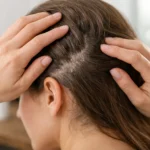

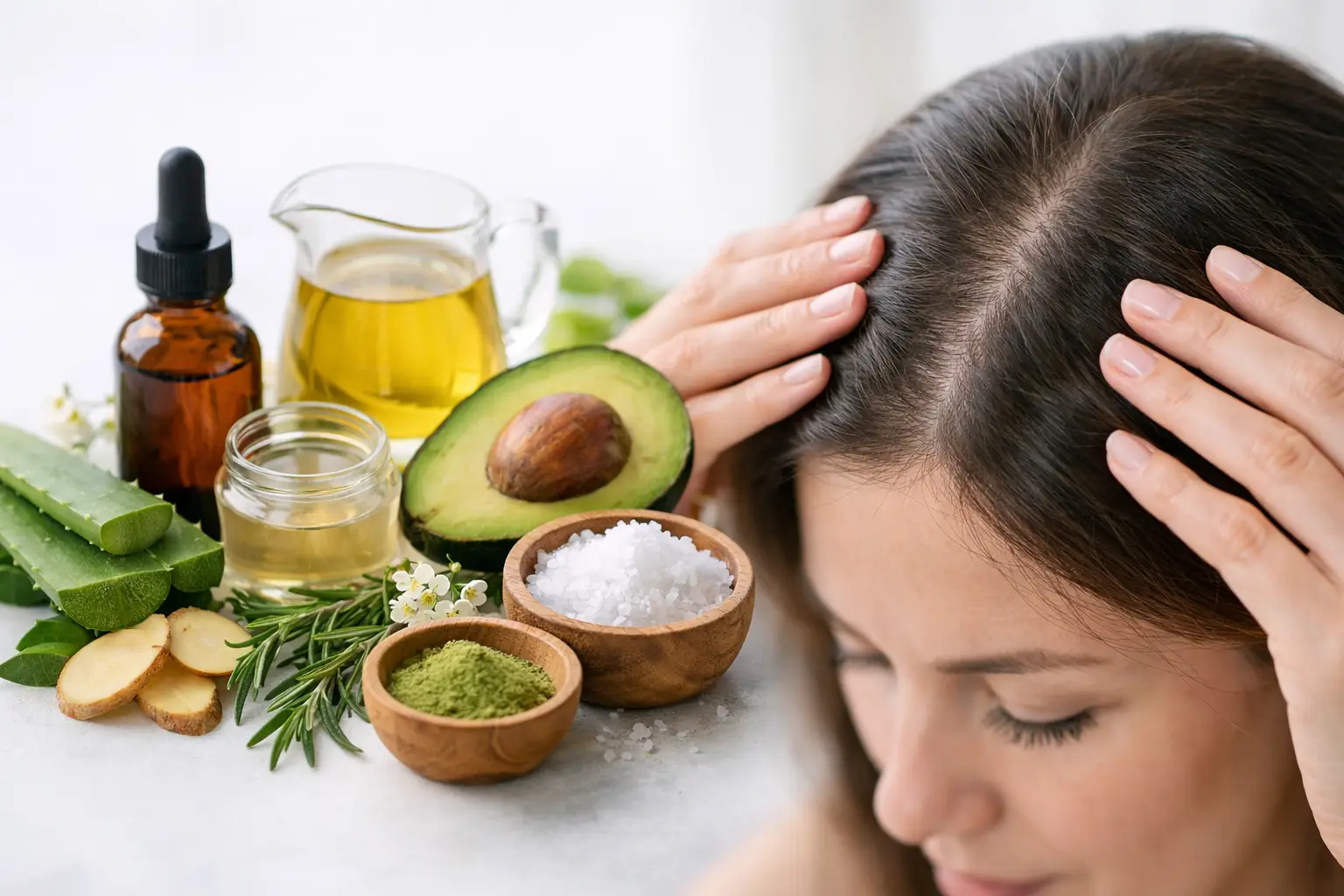
If your part looks wider, your ponytail feels smaller, or your scalp has started showing through in photos, the products you put on your roots matter more than the label promises. The best scalp ingredients for thinning hair are the ones that support the scalp environment first, because healthier hair growth usually starts where the follicle lives, not just where the strand shows up.
That does not mean every trendy oil or viral serum deserves a spot in your routine. Some ingredients are better for soothing irritation. Some help with buildup. Some are more useful when thinning is linked to breakage, stress, or a scalp that feels dry and inflamed. The smartest approach is not chasing everything at once. It is choosing ingredients that match what your scalp is dealing with right now.
What makes a scalp ingredient worth using?
A good scalp ingredient should do at least one of three things well. It should help calm inflammation, improve the scalp environment, or support stronger, healthier-looking strands at the root. The best formulas often combine those effects so you are not forced into a complicated routine with five different bottles.
There is also a trade-off to keep in mind. Stronger is not always better. If your scalp is already sensitive, overly harsh actives can leave you red, itchy, flaky, and more frustrated than when you started. Consistency usually beats intensity. A gentle ingredient you use every day will often do more for thinning than an aggressive treatment you keep quitting.
Best scalp ingredients for thinning hair
Rosemary oil
Rosemary is one of the most talked-about ingredients in scalp care for a reason. It is widely used to support circulation to the scalp and help create a healthier foundation for growth. For people dealing with mild to moderate thinning, it is a strong option because it fits easily into an at-home routine and feels more natural than harsher treatments.
The catch is that rosemary needs consistency. You are not likely to use it for three days and suddenly see a fuller hairline. It tends to work best when applied regularly over time, especially in a well-made scalp serum or drop formula designed for easy, mess-free use.
Peppermint oil
Peppermint gives that fresh, cooling sensation people love, but it is not just about the feel. It is often used to energize the scalp and support a cleaner, more refreshed environment at the roots. That can be especially appealing if your scalp tends to feel oily, heavy, or congested.
Still, peppermint is not ideal for everyone. If your scalp is reactive or easily irritated, too much can feel intense. A lower concentration or a blended formula is usually the better choice over applying strong essential oils directly.
Caffeine
Caffeine has become a favorite in thinning-hair products because it is lightweight, easy to layer, and commonly used in scalp treatments aimed at improving the appearance of weak, limp roots. It is particularly popular with people who want a non-greasy option for daily use.
This is one of those ingredients that makes sense in a routine focused on visible support and consistency. It may not feel dramatic when you apply it, but that is often the point. Good scalp care should be easy enough to keep doing.
Niacinamide
If your scalp feels stressed, tight, or unbalanced, niacinamide is worth your attention. It helps support the skin barrier, which matters because your scalp is skin first. When that barrier is compromised, you can end up with dryness, irritation, and a rough environment for healthy-looking hair.
Niacinamide is especially useful in formulas made for people who color, heat-style, or wash frequently. It is not the flashiest ingredient in the lineup, but it is one of the smartest for long-term scalp comfort.
Biotin
Most people think of biotin as something you take, not something you apply. But it can still play a role in topical products designed to support hair strength and reduce the look of fragility. It is most effective when it is part of a bigger plan rather than treated like a magic fix on its own.
That matters because thinning is not always just a scalp issue. Sometimes the hair is also breaking, shedding, and struggling from the inside out. In that case, combining topical scalp support with internal support makes more sense than relying on one angle alone.
Saw palmetto
Saw palmetto is often included in scalp and hair wellness formulas aimed at people concerned about pattern-related thinning. It is a popular ingredient in both topical and supplement form, especially for adults who want a more natural route.
This is where expectations should stay realistic. Not every case of thinning has the same cause, and saw palmetto may make more sense for some people than others. But in a well-rounded routine, it is a strong ingredient to know about if your thinning seems ongoing rather than seasonal or stress-related.
Tea tree oil
Tea tree is best known for helping with scalp buildup, itch, and flakes. That may sound more like a dandruff concern than a thinning concern, but the two often overlap. A scalp clogged with oil, dead skin, and product residue is not an ideal setting for healthy growth.
The downside is that tea tree can be drying if overused. If you already have a dry scalp, look for it in balanced formulas with soothing ingredients rather than using strong clarifying products too often.
Aloe vera
Aloe vera is one of the gentlest ingredients for thinning routines, especially if your scalp feels irritated or dehydrated. It helps calm the scalp and makes stronger actives easier to tolerate. Think of it as support rather than spotlight.
For people recovering from overwashing, tight hairstyles, or a lot of color and heat damage, aloe can make a big difference in how the scalp feels day to day. And when your scalp feels better, you are more likely to stick to the routine that actually helps.
How to choose the right ingredients for your scalp
If your scalp is itchy, flaky, or inflamed, start with calming ingredients like aloe, niacinamide, and balanced amounts of tea tree. If your main issue is visible thinning with little irritation, rosemary, caffeine, and saw palmetto may be more aligned with your goals. If your hair feels weak, overprocessed, or prone to breakage, biotin and barrier-supportive ingredients deserve more attention.
This is where many people waste time and money. They buy a product because one ingredient sounds impressive, then ignore whether the formula suits their actual scalp condition. Better results usually come from using the right type of product consistently, not switching every two weeks.
The best scalp ingredients for thinning work better in a system
One serum can help, but a complete routine usually works better than a single hero product. Thinning hair often needs support on three levels: the scalp, the strand, and overall nutrition. That is why many people see better results when they pair scalp drops with a thickening product and an internal wellness step instead of depending on one treatment alone.
For example, a rosemary-based scalp formula can help nourish the roots, while a thickening spray helps hair look fuller right away and protects fragile strands from daily stress. Add internal support like biotin-focused supplementation, and the routine becomes much more complete. That kind of structure is a big reason wellness-driven brands like ROXIHAIR resonate with people who are tired of trying random products without a real plan.
What not to do when your hair is thinning
Do not overload your scalp with every active ingredient at once. More product does not automatically mean more growth. It often means irritation, buildup, and a routine you cannot maintain.
Do not judge too fast, either. Most scalp ingredients need time. If a product is well-formulated and your scalp tolerates it, give it a fair testing window before deciding it does nothing.
And do not ignore what your scalp is telling you. Burning, excessive flaking, or worsening shedding after starting a product is a sign to reassess. The goal is a healthier scalp environment, not a harsher one.
How long does it take to see results?
That depends on what is causing the thinning and how consistent you are. Some people notice a healthier-feeling scalp and less dryness within days or weeks. Visible changes in fullness usually take longer. Hair growth is slow, and even great ingredients still have to work on the body’s timeline.
What you can control is routine. Daily or near-daily use, gentle scalp massage, and sticking with ingredients that fit your needs will always beat a shelf full of half-used products.
Thinning hair can make you feel like you need a miracle. Most of the time, what you really need is a smarter scalp routine with ingredients that do their job and a system simple enough to keep using when life gets busy.