

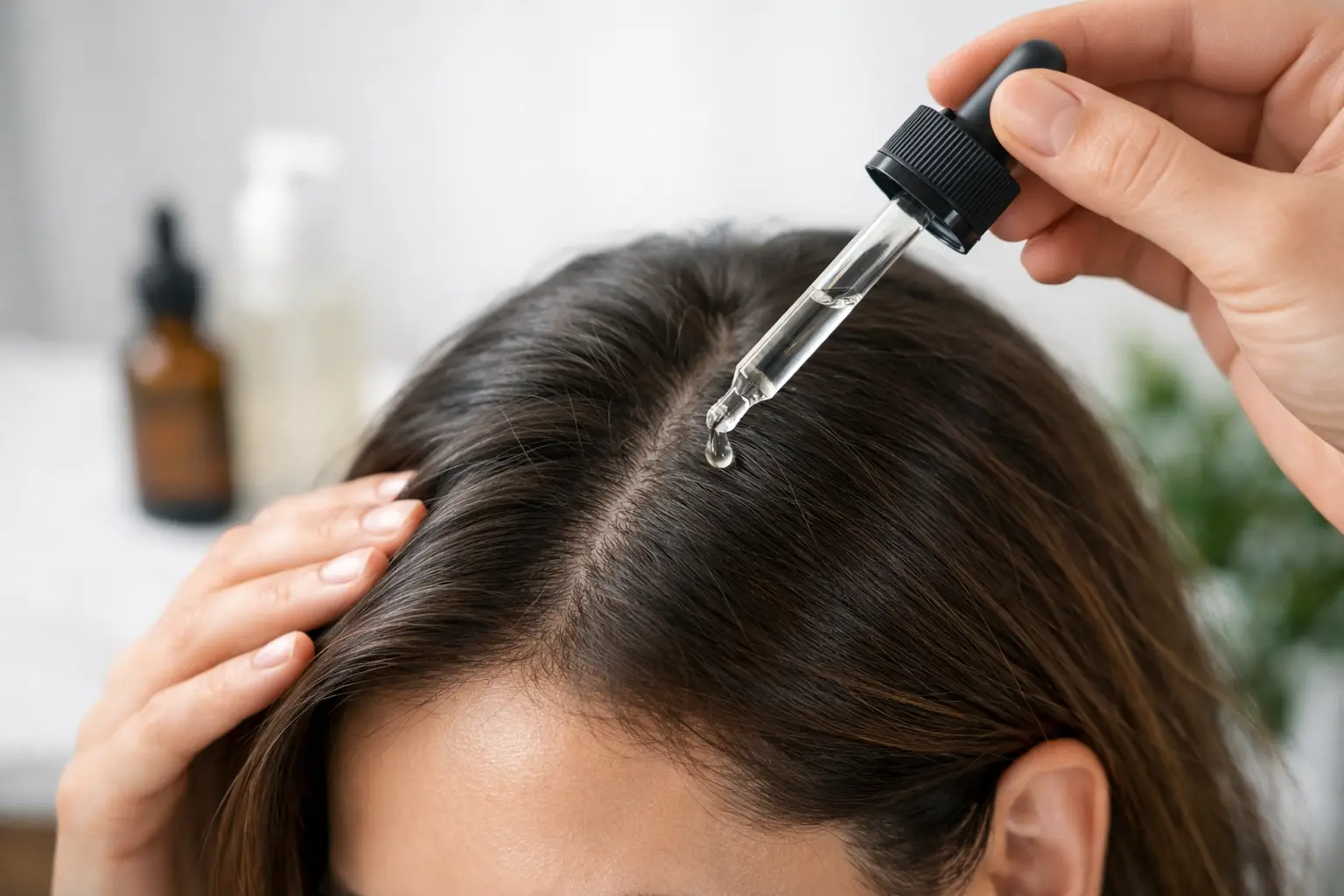
If you have ever applied scalp drops and wondered whether they are actually reaching your scalp or just sitting on your hair, you are not alone. Learning how to use scalp drops correctly can make the difference between a routine that feels hopeful and one that actually supports healthier-looking, fuller hair.
Scalp drops are simple, but they are not random. Where you place them, how much you use, and what you do right after application all affect how well they absorb. If you are dealing with thinning, shedding, dryness, or a stressed-out scalp, getting the method right matters just as much as choosing the right formula.
Why technique matters more than most people think
A lot of people assume scalp drops work like a hair serum. They smooth them over the top layer of hair, massage for a few seconds, and call it done. The problem is that scalp drops are made for the skin beneath your hair, not the strands themselves.
That means your goal is not to coat your roots. Your goal is to deliver the product directly to the scalp in a way that gives the ingredients time to sit, absorb, and support the environment where hair grows. When application is sloppy, you may end up wasting product, creating buildup, or making your hair look oily before the ingredients have a chance to do their job.
The good news is that once you know the right routine, it takes only a few minutes.
How to use scalp drops correctly step by step
Start with a scalp that is clean or at least free from heavy product residue. It does not need to be freshly washed every single time, but if your scalp is coated with dry shampoo, styling cream, hairspray, or excess oil, absorption can be less effective. Think of it this way: scalp care works better when it is not fighting through layers of buildup first.
Next, part your hair so you can actually see sections of your scalp. This is one of the biggest mistakes people make. Instead of dropping product onto the crown of the hair and hoping it finds its way down, create a few clean parts with your fingers or a comb. Focus on the areas that need the most attention, whether that is the hairline, temples, crown, or overall thinning zones.
Apply a small amount directly along each part. More is not always better. Using too much can leave residue and make your roots feel heavy, especially if your hair is fine. Start with the amount recommended on the label. If your scalp is larger, your hair is very dense, or you are treating multiple areas, you can adjust slightly. But the goal is targeted coverage, not saturation.
After applying the drops, massage them into the scalp for about one to two minutes using your fingertips. Not your nails. A gentle massage helps spread the product evenly and can support circulation without irritating the skin. Keep the pressure light and steady. If your scalp is already sensitive, rough rubbing can do more harm than good.
Then let the product stay put. Give it time to absorb before layering on heavy styling products, putting on a tight hat, or going straight to bed with soaking-wet roots. If you apply at night, make sure your scalp feels settled rather than drenched. If you apply in the morning, allow a few minutes before styling.
Should scalp drops go on wet or dry hair?
This depends on the formula, but for most scalp drops, slightly damp or dry scalp works better than soaking-wet hair. If your hair is dripping after a shower, the product can slide around instead of staying concentrated where you need it. On the other hand, a lightly towel-dried scalp can be a good middle ground if the product directions allow it.
Dry application is often the easiest choice because you can see your parts more clearly and place the drops with better accuracy. It also helps you judge how much product you are using. If your routine includes blow-drying, many people prefer to apply scalp drops after the scalp is mostly dry, not before high heat.
The best rule is simple: follow the label first, then pay attention to how your scalp responds. Some people get better results from nightly use on a dry scalp, while others like applying after washing a few times a week.
How often should you use scalp drops?
Consistency beats intensity. A moderate amount used regularly tends to work better than overapplying for three days and then forgetting for a week.
Most scalp drops are designed for daily use or several times per week. If your formula is lightweight and your scalp tolerates it well, daily application may fit easily into your routine. If you have a sensitive scalp or are using a stronger active blend, you may need to begin more slowly.
This is where patience matters. Hair routines rarely reward panic. Your scalp needs ongoing support, not random bursts of product. If you are trying to improve visible thinning or support stronger growth, stay consistent long enough to judge results fairly.
Common mistakes that can slow your results
One of the biggest issues is applying scalp drops to hair instead of scalp. If most of the product ends up on the strands, you are not getting the full benefit where it counts.
Another common mistake is using too much. People often think a drenched scalp means better performance, but too much product can create greasiness, buildup, and frustration. You want enough to cover your target areas, not enough to make wash day arrive early.
Skipping the massage is another missed opportunity. You do not need a ten-minute ritual, but a quick massage helps distribute the drops and makes the routine more effective.
Then there is inconsistency. If you only remember your scalp drops when your shedding feels scary, you are not giving the routine a fair chance. Stronger-looking hair usually comes from repeat care, not one-off rescue efforts.
Finally, watch out for product overload. If you are layering oils, dry shampoo, root powders, leave-ins, and thick styling products on the scalp every day, even good scalp drops may struggle to perform at their best.
What to expect after you start using them
The first thing many people notice is not dramatic growth overnight. It is a scalp that feels calmer, less dry, or less tight. That matters. A healthier scalp environment can support better-looking hair over time.
Visible changes in fullness, reduced breakage, or less shedding usually take longer. That does not mean the routine is failing. Hair grows slowly, and the scalp responds on its own timeline. Natural formulas can be a strong fit for people who want a gentler, at-home routine, but consistency is still the price of results.
It also depends on what you are dealing with. Thinning from stress, overstyling, seasonal shedding, or scalp dryness may respond differently than more advanced hair loss. This is why realistic expectations matter. Scalp drops can support your routine, but they work best as part of a bigger plan for healthier hair habits.
How to make scalp drops work better in your routine
If you want better results, make your scalp drops part of a simple system instead of a stand-alone product you use when you remember. Keep your scalp clean, avoid overly harsh treatments, and be mindful of heat styling and tight hairstyles that create extra stress at the root.
It also helps to support hair from more than one angle. A scalp-focused formula can nourish the skin and roots, but stronger-looking hair also benefits from protecting the strands and supporting your routine from within. That is why many people do best with a consistent, three-part approach rather than chasing one miracle product.
At ROXIHAIR, that idea is built into the routine: nourish the scalp, support thicker-looking strands, and keep internal wellness in the conversation too. That kind of structure makes it easier to stay consistent, and consistency is where real change starts.
When scalp drops may not be the right fit
If your scalp is broken, severely irritated, or reacting to a new product, stop and reassess before continuing. Scalp drops should feel supportive, not aggressive. If you are dealing with sudden patchy loss, significant itching, pain, or heavy shedding that seems unusual for you, it may be worth getting professional guidance.
And if your main frustration is that the drops make your roots look greasy, that is usually a technique issue, not proof that scalp care is not for you. Use less, part more carefully, and apply at a time when your hair can rest before styling.
The best scalp routine should feel doable. Not messy. Not confusing. Not like one more product collecting dust in the cabinet. Once you know how to use scalp drops correctly, they become less of a guess and more of a steady act of care – one that can help your scalp feel healthier and your hair look stronger over time.
Give the routine a little structure, give it some consistency, and let the small daily steps do what rushed fixes never can.



Leave a Reply