

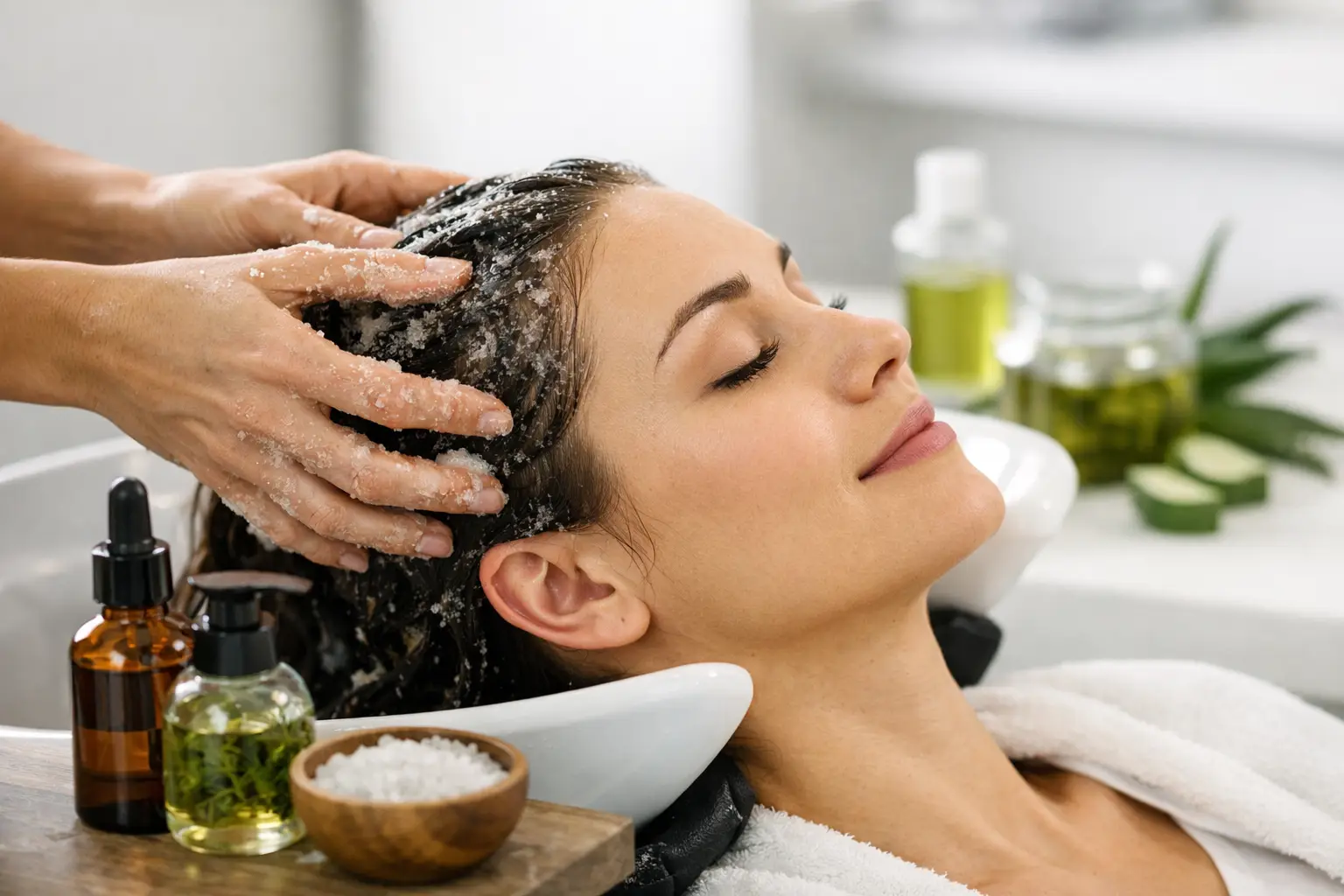
If your roots feel greasy by noon, your scalp itches between wash days, or your hair looks flat no matter what you use, the problem may not be your strands at all. Scalp detox for hair growth has become a go-to strategy for people who are tired of piling products onto a stressed scalp and hoping for different results. When follicles are dealing with oil, dead skin, product residue, and irritation, healthy-looking growth gets a lot harder.
What scalp detox for hair growth actually means
A scalp detox is not a harsh reset or a trendy excuse to scrub your head raw. It simply means removing buildup that can interfere with a healthy scalp environment while supporting circulation, balance, and moisture. Think of it as clearing the surface so your scalp can function the way it is supposed to.
That matters because hair grows from the follicle, and the follicle lives in the scalp. If your scalp is congested, inflamed, overly dry, or overloaded with residue from dry shampoo, styling products, heavy oils, and sweat, your hair may look thinner, weaker, and duller even before shedding becomes obvious.
A detox will not magically reverse every cause of hair loss. If your thinning is driven by hormones, genetics, nutrient deficiencies, or medical issues, scalp care is only one part of the picture. But if buildup and irritation are part of the problem, cleaning up your routine can absolutely help your hair look fuller and your scalp feel healthier.
Why a cleaner scalp can support better growth
Hair growth is affected by more than one factor, but scalp condition plays a bigger role than many people realize. When buildup sits on the scalp for days or weeks, it can trap oil, dead skin, and environmental debris around the follicle opening. That can lead to itchiness, flaking, tenderness, and a heavy, coated feeling at the roots.
A balanced scalp gives hair a better starting point. It helps reduce the kind of irritation that can lead to excessive scratching, breakage at the root, and poor product absorption. It can also make targeted scalp treatments work better because they are reaching skin that is not buried under layers of residue.
This is where people often notice the first visible difference. Their hair lifts more easily at the root, looks less limp, and feels fresher between washes. That is not just cosmetic. A calmer, cleaner scalp is often a more supportive environment for stronger-looking growth over time.
The signs your scalp may need a detox
You do not need a formal diagnosis to know your scalp is unhappy. Common signs include persistent flakes, excess oil, itchiness, tenderness, and hair that seems to get dirty unusually fast. Some people also notice that their scalp care products stopped working, or that their roots feel coated even right after shampooing.
Color-treated hair and heavy styling routines can make this worse. Heat protectants, thickening sprays, dry shampoo, texture products, and even some leave-ins can gradually build up near the root. If you are trying to support hair growth but applying treatment over layers of old product, you are not giving your scalp the clean foundation it needs.
What a scalp detox should include
The best scalp detox routine is consistent, not aggressive. Start with a gentle but effective cleansing step. For some people, that means using a clarifying shampoo once a week. For others, especially if the scalp is sensitive or dry, a milder exfoliating wash every couple of weeks is enough.
The goal is to loosen and remove residue without stripping the scalp barrier. If your hair feels squeaky, overly dry, or frizzy after every detox wash, you are likely doing too much. A stressed scalp is not a healthy scalp.
Scalp massage can also help. A few minutes of light pressure with fingertips while washing or applying a scalp treatment may help lift buildup and support circulation. Keep it gentle. Scratching with nails or using a rough tool can create more irritation, especially if your scalp is already inflamed.
A targeted scalp serum or drop treatment can be a smart next step, especially if your focus is hair thinning or slow growth. This is where natural ingredients like rosemary often stand out. They fit well into a routine built around scalp nourishment rather than harsh stripping. Applied to a clean scalp, they can support a healthier environment for growth while making the routine feel manageable at home.
What to avoid when detoxing your scalp
A lot of people sabotage their own progress by going too hard. DIY scalp scrubs with sharp sugar grains, repeated apple cider vinegar rinses, and frequent use of strong clarifying products can leave the scalp irritated and reactive. If your scalp starts burning, tightening, or flaking more after detoxing, that is not a sign that it is working. It is a sign to back off.
Heavy oiling can also be tricky. Some oils can soften buildup, but coating an already congested scalp in thick oil without washing properly afterward may make things worse. This is especially true if you are dealing with dandruff, oiliness, or inflamed follicles.
And if you have active scalp conditions like psoriasis, eczema, or severe seborrheic dermatitis, a standard detox approach may not be enough. In those cases, irritation control comes first, and it may be worth checking with a dermatologist before trying multiple exfoliating products.
How often should you do a scalp detox for hair growth?
It depends on your scalp type, product use, and wash schedule. If you use dry shampoo, thickening products, or styling sprays several times a week, a weekly detox may make sense. If your scalp leans dry or sensitive and you do not use much product, every two to four weeks may be plenty.
The right rhythm is the one that leaves your scalp feeling clean, balanced, and comfortable. Not tight. Not stripped. Not greasy again within hours.
This is also where a complete routine matters more than a one-off treatment. Detoxing once and then going back to heavy buildup, skipped washes, and random products usually does not move the needle. The better approach is simple: cleanse regularly, support the scalp with ingredients that nourish rather than overwhelm, and stay consistent long enough to judge results honestly.
The connection between detox and thinning hair
If you are seeing more hair in the shower or your part looks wider than it used to, scalp detox may help, but it is rarely the entire answer. Thinning hair usually has more than one cause. Stress, age, hormones, nutrition, styling damage, and genetics can all play a role.
That said, a neglected scalp can make thinning look worse. Buildup can flatten hair at the root, excess oil can separate strands, and irritation can increase shedding from breakage and scratching. So while detoxing is not a miracle fix, it can remove obstacles that keep your hair from looking and feeling its best.
For many people, the biggest win comes from combining external scalp care with internal support and strand protection. That means feeding the scalp, strengthening the hair you already have, and supporting the body from within instead of relying on a single product to do everything.
A practical routine that makes sense
A workable scalp detox routine does not need ten steps. Wash often enough to keep the scalp fresh. Use a clarifying or exfoliating cleanser when buildup starts to show up. Apply a scalp treatment to clean skin. Protect the lengths of your hair from heat and breakage. Support growth with a routine you can actually stick to.
That is one reason a simplified system tends to outperform a bathroom full of disconnected products. When scalp care, thickening support, and internal wellness are working together, you are more likely to stay consistent and actually see a difference. Brands like ROXIHAIR have built around that idea for a reason: growth-focused hair care works better when the scalp is not treated as an afterthought.
When to expect results
Some benefits show up fast. Your scalp may feel cleaner, less itchy, and less oily after the first proper detox. Your roots may have more lift, and your hair may look fresher for longer between washes.
Growth-related changes take more patience. Hair grows slowly, and even the best routine needs time. Think in terms of weeks to months, not days. What you want to watch for first is a healthier scalp, less irritation, improved manageability, and less visible stress at the root.
If your scalp has been overloaded for a long time, getting back to balance can be the first real step toward fuller, healthier-looking hair. Not a dramatic overnight reset. Just a smarter foundation.
Your hair does not need more chaos. It needs a clean, supported place to grow.