

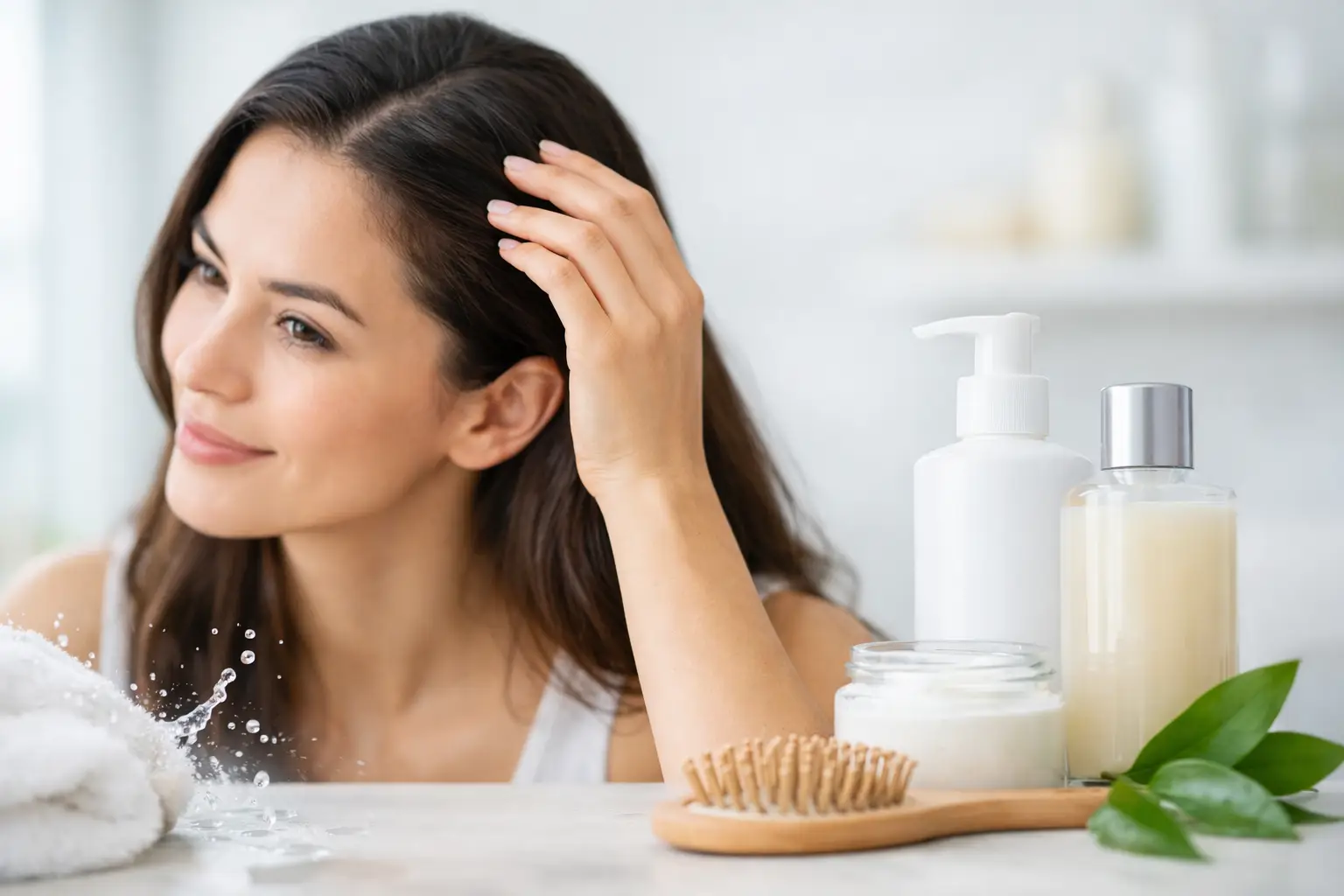
Black shirts, fresh pillowcases, a clean blowout – dandruff can make all of them feel frustratingly temporary. The right dandruff treatment is not about scrubbing your scalp harder or piling on heavy oils. It is about identifying what is fueling the flakes, treating it consistently, and protecting the hair you want to keep.
Dandruff is common, but that does not make it something you have to simply live with. A calmer, cleaner scalp can make your routine feel better and help your hair look healthier from root to tip.
What Actually Causes Dandruff?
Dandruff is not always a sign that your hair is dirty. In fact, washing too aggressively can irritate the scalp and make flaking worse. For many people, flakes develop when the scalp reacts to an overgrowth of a naturally occurring yeast called Malassezia. This can speed up skin-cell turnover, leaving visible white or yellowish flakes behind.
Oil, sweat, styling-product residue, dry indoor air, stress, and infrequent shampooing can all contribute. So can a scalp that is irritated by strongly fragranced products, harsh cleansing agents, or too much dry shampoo. The same person can have both an oily scalp and dry-looking flakes, which is why guessing based on appearance alone does not always work.
There is also a difference between everyday dandruff and conditions that need more targeted care. Seborrheic dermatitis can cause greasy scale, redness, and persistent itch. Psoriasis may create thicker, silvery patches. Contact dermatitis can appear after a new hair color, shampoo, or styling product. If your scalp is painful, swollen, bleeding, crusted, or not improving after several weeks, a dermatologist can help you get a clear answer.
A Dandruff Treatment Routine That Works
The most effective approach is usually simple: use a proven medicated shampoo correctly, then build a gentler scalp and hair routine around it. Consistency matters more than switching products every few days.
Choose an active ingredient for your symptoms
Look at the active ingredient on your anti-dandruff shampoo, not just the front label. Different options work in different ways.
Ketoconazole is an antifungal ingredient often used for stubborn flakes and recurring dandruff. Selenium sulfide can help reduce yeast and excess scalp-cell turnover, though it may be too strong for some sensitive scalps or color-treated hair. Zinc pyrithione has long been a familiar option, but availability in products can vary. Salicylic acid helps loosen thick scale and buildup, while coal tar slows skin-cell turnover but may have a noticeable scent and can make the scalp more sensitive to sunlight.
You do not need every active ingredient at once. Start with one product that suits your main concern. If your scalp is flaky and oily, an antifungal formula may be a smart first choice. If you have thicker buildup, a formula with salicylic acid may help lift the scale before you move into maintenance.
Let the shampoo sit before rinsing
One of the biggest reasons dandruff shampoos disappoint is that they are rinsed away too quickly. Apply the shampoo directly to the scalp, not just through the lengths of your hair. Massage gently with your fingertips, then leave it on for the time listed on the label, often three to five minutes.
This gives the active ingredient time to work. Scratching with your nails, using a rough scalp brush, or scrubbing until your scalp feels squeaky clean can create more irritation. Use light pressure instead.
Most people begin by using a medicated shampoo two to three times a week. On the other wash days, use a gentle shampoo that cleans without leaving the scalp stripped. Once flakes are under control, many people can reduce medicated washing to once weekly for maintenance. Your ideal frequency depends on your scalp, hair texture, styling habits, and the product directions.
Keep conditioner off the scalp when buildup is a problem
Conditioner is valuable for softness and breakage prevention, especially if your ends are dry from coloring, heat styling, or frequent washing. But rich conditioners, masks, and leave-ins can sometimes add to scalp residue when applied at the roots.
Focus conditioner from mid-length to ends. Rinse thoroughly, especially around the nape and behind the ears, where product can linger. If you have curls, coils, or very dry hair, this does not mean skipping moisture. It means giving your scalp its own treatment plan while keeping your lengths conditioned and protected.
What to Avoid When Your Scalp Is Flaking
A natural ingredient is not automatically the right choice for an actively irritated scalp. Heavy oils can feel soothing at first, but for some people they can trap buildup or worsen the conditions that feed dandruff. Essential oils can also trigger irritation when they are not properly diluted.
Avoid trying five new products in the same week. You will not know what is helping, what is causing a reaction, or what is simply coating the scalp. Skip harsh DIY fixes like undiluted vinegar, baking soda, or abrasive salt scrubs. They can disrupt the scalp barrier and leave you dealing with more itch than you started with.
Dry shampoo deserves a realistic place in the routine, too. It can be useful between washes, but it is not a substitute for cleansing. If you use it often, make sure you are shampooing thoroughly enough to remove the powder and oil it absorbs.
Support Fuller-Looking Hair While You Treat Flakes
Dandruff itself does not always cause permanent hair loss. Still, constant itching, inflammation, and aggressive scratching can lead to shedding and breakage. When your scalp feels uncomfortable, you may also wash less often or use more styling products to hide flakes, which can create a cycle of buildup.
That is why scalp care and hair-thinning care should work together, not compete. Keep your dandruff shampoo focused on the scalp. Then use gentle, lightweight support on your lengths and a daily thickening routine that does not leave heavy residue at the roots. Be especially careful when detangling wet hair, since friction and pulling can make already fragile strands look thinner.
Once active flaking has settled, a scalp-nourishing product can fit into your routine if it feels comfortable and does not cause stinging, redness, or renewed buildup. ROXIHAIR’s approach to fuller-looking hair centers on simple, at-home support for the scalp, strands, and daily nutrition, helping make consistency easier when your hair needs more than a quick cosmetic fix.
Your overall habits matter as well. Get enough protein, avoid tight styles that pull at the roots, and protect your hair from repeated high heat. Stress does not cause every case of dandruff, but many people notice flare-ups during stressful periods. A predictable wash routine can be one small form of self-care that pays off.
When to See a Dermatologist
Give an over-the-counter routine time to work, but do not keep escalating at home if your scalp is getting worse. Make an appointment if you have intense itching, thick plaques, spreading redness, sores, patchy hair loss, or flakes on your face, eyebrows, chest, or ears. You may need a prescription treatment or may be dealing with something other than standard dandruff.
See a professional sooner if you have recently had a reaction to hair dye or a new product. Burning, swelling, hives, or facial swelling need prompt medical attention.
A flake-free scalp rarely comes from one dramatic wash. It comes from choosing the right active ingredient, using it long enough to work, and treating your hair with patience while your scalp resets. Start with one clear routine, stay consistent, and give your roots the calm foundation they deserve.



Leave a Reply