
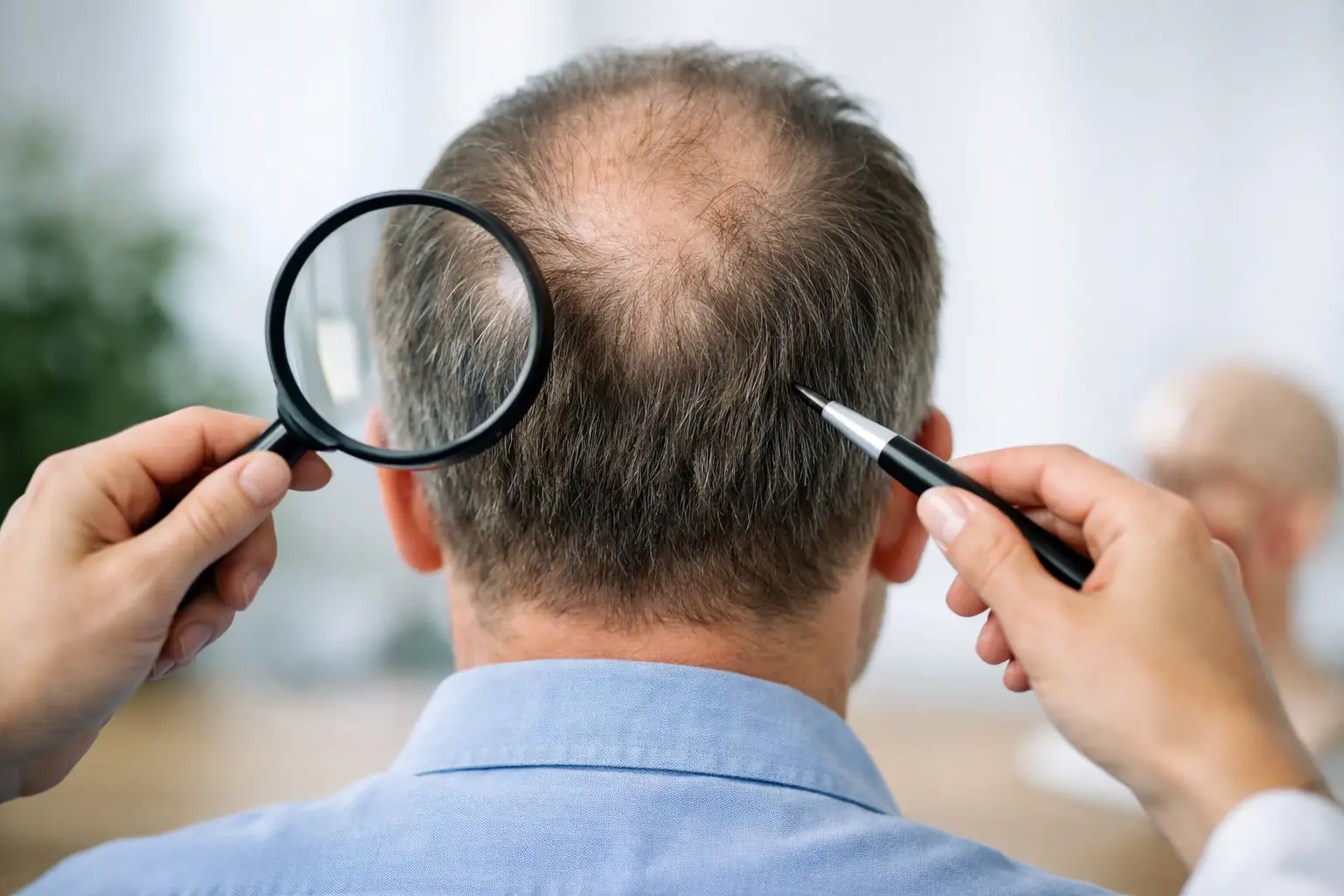
The crown is the area at the top-back of your head where hair naturally changes direction. That swirl can make even mild hair loss look more noticeable, especially under overhead lighting or when your hair is wet. If you are asking, what causes crown thinning, the answer is rarely one single thing. Genetics, hormones, scalp condition, daily habits, and overall health can all influence how full this area appears.
The good news: noticing a thinner crown is a reason to pay closer attention, not to panic. Hair responds best to consistent care, early action, and a routine that supports both the scalp and the strands growing from it.
What Causes Crown Thinning Most Often?
For many adults, crown thinning is connected to androgenetic alopecia, also called pattern hair loss. In men, it often begins at the temples and crown. In women, it may appear as a widening part, reduced density at the crown, or a ponytail that feels smaller over time.
This pattern is largely genetic, but hormones influence how those genes show up. Hair follicles that are sensitive to certain hormones can gradually shrink. Each new strand may grow in finer, shorter, and less pigmented than the one before it. The process is usually gradual, which is why many people do not notice it until the crown is visible in photos or mirrors.
Pattern hair loss is common, but it is not the only explanation. A sudden change in crown density deserves a closer look at what has changed in your body, routine, and scalp.
Hormonal shifts can change hair density
Hormonal changes can affect the hair growth cycle. Pregnancy, postpartum recovery, perimenopause, menopause, thyroid changes, and starting or stopping certain medications may trigger increased shedding or make existing thinning more apparent.
Stress can add to the picture. A major illness, surgery, rapid weight loss, emotional strain, or high fever can push more hairs than usual into the shedding phase. This is often called telogen effluvium. Shedding may show up a few months after the triggering event, which can make the connection easy to miss. In many cases, hair begins to recover once the underlying trigger settles, but persistent thinning is worth discussing with a healthcare professional.
Genetics can make the crown more vulnerable
If close relatives have thinning at the crown, your own follicles may be more likely to follow a similar pattern. This is not about poor hygiene or doing something wrong. It is about follicle sensitivity and the way your hair cycles over time.
Genetics do not mean you have no options. They do mean consistency matters. Waiting until a small area becomes a large one can make the change feel more dramatic. Supporting scalp health and reducing avoidable breakage early gives your hair its best chance to look fuller along the way.
Scalp Stress Can Make Crown Thinning Look Worse
Your scalp is the foundation for every strand. When it is irritated, oily, flaky, inflamed, or weighed down with product buildup, the crown can look flatter and more sparse than it actually is. A visible scalp is not always a sign of permanent hair loss, but it is a sign that your routine may need attention.
Dandruff and scalp irritation can create itching and scratching, which can lead to breakage around delicate follicles. Heavy dry shampoo use, infrequent cleansing, and layers of styling products can also leave the scalp feeling congested. On the other hand, washing too aggressively or using harsh formulas can strip the scalp and leave it uncomfortable.
Aim for a balanced approach. Cleanse regularly enough for your hair type and activity level, rinse thoroughly, and avoid digging your nails into the scalp. Gentle fingertip massage can help distribute products and turn your routine into a moment of real self-care.
Heat, color, and tight styles affect the strands
Chemical processing and hot tools do not usually cause genetic crown thinning, but they can cause breakage that makes thinning look much more severe. Bleaching, frequent coloring, relaxers, tight ponytails, extensions, braids, and repeated high-heat styling all put stress on the hair shaft.
The crown is especially vulnerable because it is often exposed to sun, brushing, and friction from hats, pillows, or styling. If the hair at your crown snaps before it can reach length, you may see short, wispy pieces and less overall coverage.
You do not have to give up every style you love. Trade-off matters. Save high-heat tools for fewer days, use a heat protectant, rotate where you place ponytails or clips, and ask for less tension during salon services. These small changes can help protect the hair you have while you work on fuller-looking density.
Nutrition and Health Factors Behind Thinning Hair
Hair is not essential for survival, so the body may direct nutrients elsewhere during periods of under-fueling, restrictive dieting, or illness. Low protein intake and deficiencies in nutrients such as iron, vitamin D, zinc, and B vitamins can contribute to shedding in some people.
That does not mean every thinning crown needs a cabinet full of supplements. More is not always better, and some nutrients can be harmful in excess. A balanced diet with adequate protein, colorful produce, healthy fats, and iron-rich foods is a strong starting point. If shedding is significant or you have fatigue, changes in your nails, irregular periods, or other symptoms, ask a clinician about appropriate testing.
Internal support can be part of a hair wellness routine, especially when it is paired with external scalp care and practical styling habits. The key is giving your routine time. Hair grows slowly, and visible changes are measured in months, not overnight.
How to Tell if Your Crown Is Thinning or Just Parting
A natural crown whorl exposes a small amount of scalp, particularly when hair is freshly washed or separated. The concern is not the swirl itself. Look for changes: more scalp than you used to see, a broader area around the whorl, shorter finer hairs, increased shedding, or difficulty creating the volume you once had.
Take photos in the same lighting every four to six weeks. Use a consistent angle, part placement, and hair condition. This is more useful than checking every day, when normal lighting and styling differences can make your hair look completely different.
Pay attention to the pattern, too. Diffuse thinning across the scalp may point to shedding, nutrition, stress, or hormonal shifts. A gradually expanding crown area is more consistent with pattern hair loss. Only a qualified medical professional can diagnose the cause, particularly if the loss is sudden, patchy, painful, or paired with scalp redness or scaling.
Build a Routine That Supports a Fuller-Looking Crown
A crowded bathroom shelf is not a strategy. Choose a routine you can repeat. Start with gentle cleansing that suits your scalp, then use a lightweight scalp treatment that does not leave roots greasy or flat. A daily thickening spray can give fine strands more body and help the crown look less exposed while you focus on long-term care.
For people who want a simple at-home approach, ROXIHAIR’s coordinated three-step system is designed to support the scalp, help hair look thicker, and provide nutritional support without turning your routine into a complicated project. Natural-focused products can be a useful part of consistent hair care, but they should never replace medical evaluation when symptoms are sudden or concerning.
Be realistic about results. Topical and wellness routines may help improve the look and feel of hair, reduce breakage, and support healthier-looking growth, but they cannot change your genetics overnight. Give a new routine at least several weeks of steady use before judging how it fits your hair, and avoid switching products every few days.
When to Get Professional Advice
Make an appointment with a dermatologist or healthcare professional if crown thinning begins suddenly, progresses quickly, appears in round patches, or comes with burning, pain, heavy scaling, or sores. It is also smart to seek advice if you are shedding handfuls of hair, have recently changed medications, or notice other health changes.
Early answers can help rule out treatable conditions and give you clearer choices. Whether the cause is genetic, temporary shedding, scalp stress, or a combination, you deserve a plan that feels manageable.
Your crown does not need to define your confidence. Start by treating it with patience: nourish your body, protect your strands, care for your scalp, and stay consistent long enough to see what healthier habits can do.



Leave a Reply