
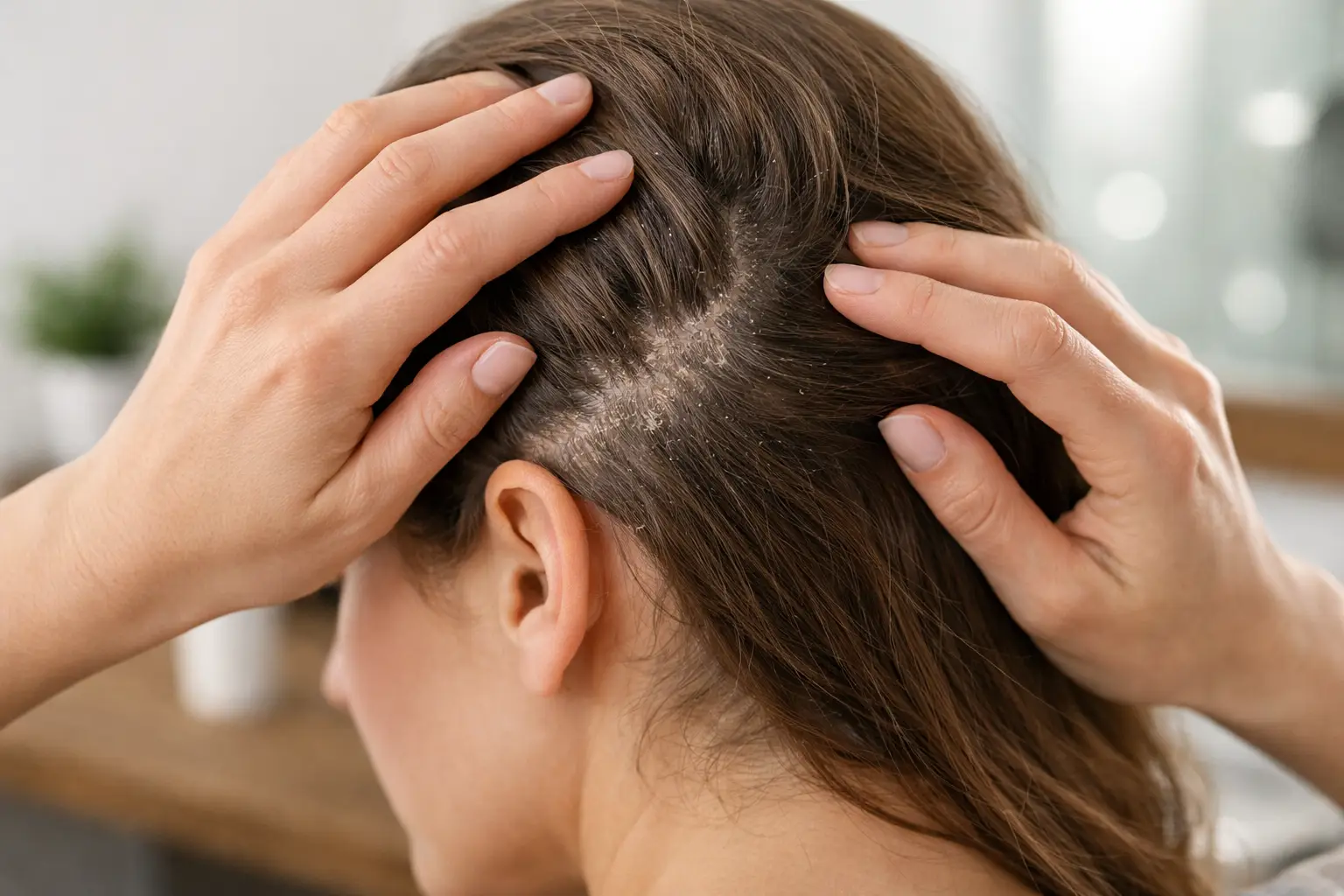
That tight, itchy feeling after you wash your hair is more than a minor annoyance. If you are asking, “why is my scalp so dry?” your routine, your environment, or an underlying skin concern could be stripping away the comfort your scalp needs to support healthy-looking hair.
A dry scalp can make flakes more noticeable, leave hair looking dull, and turn styling into a frustrating cycle of scratching, product buildup, and breakage. The good news: many causes are manageable once you stop treating every flake the same way and start paying attention to what your scalp is telling you.
Why Is My Scalp So Dry?
Your scalp has a protective barrier made of skin cells and natural oils. When that barrier is disrupted, moisture escapes more easily and your scalp can feel tight, rough, flaky, or sore. This does not necessarily mean your scalp is “dirty” or that you need stronger cleansing. In fact, over-cleansing is one of the most common reasons a scalp feels dry.
Dryness can also happen alongside hair thinning. When you are already watching more strands collect in the shower or noticing less volume at the roots, scalp discomfort can feel especially alarming. A calm, well-cared-for scalp does not guarantee new growth on its own, but it creates a better foundation for a consistent hair wellness routine.
Your shampoo may be doing too much
A powerful shampoo can feel satisfying, especially if your hair gets oily quickly. But frequent washing with harsh detergents, very hot water, or products made to deeply strip oil can remove the lipids your scalp relies on. The result is a scalp that feels squeaky clean for a day and uncomfortable soon after.
This is particularly common if you wash daily, use clarifying shampoos often, or scrub aggressively with your nails. You do not need to accept discomfort as the price of clean hair. Try using lukewarm water, massaging gently with your fingertips, and spacing out stronger cleansing products.
Cold air, dry heat, and sun exposure take a toll
Your scalp is skin, and it reacts to the weather just like the skin on your hands and face. Cold, low-humidity air can pull moisture from the scalp, while indoor heating can make the problem worse. Summer sun can also dry or irritate an exposed part line, especially if your hair is thinning.
A hat can protect your scalp outdoors, but choose one that is clean and not overly tight. Constant friction, trapped sweat, and product residue under a cap can create a different kind of irritation. Comfort usually comes from balance, not from covering the problem all day.
Styling habits can leave the scalp stressed
Bleach, permanent color, relaxers, perms, and frequent heat styling can affect more than the hair shaft. Chemical services can irritate the scalp directly, while tight ponytails, braids, extensions, and slicked-back styles add tension at the root.
If dryness appeared after a salon service or a new styling habit, that timing matters. Give your scalp a break from chemical processing and high-tension styles when possible. If you feel burning, swelling, tenderness, or see sores, stop using the suspected product and get professional medical advice.
Product buildup can imitate dryness
It sounds backward, but too much product can leave your scalp flaky and itchy. Dry shampoo, hairspray, thick oils, leave-ins, and styling creams can mix with sweat and dead skin cells at the roots. The flakes may look like dryness, yet adding more oil without removing buildup can make the scalp feel heavier and more irritated.
Use scalp oils thoughtfully. A few drops applied to the scalp may feel soothing for some people, but heavy layering can be too much for others. It depends on your hair type, how often you wash, and whether you are dealing with simple dryness or a condition such as dandruff.
Dry Scalp or Dandruff: Know the Difference
Dry scalp flakes are often small, white, and powdery. Your scalp may feel tight, especially after washing or during dry weather. Dandruff can involve larger flakes that look white, yellowish, or greasy, and it may come with redness or persistent itching.
Dandruff is often linked to an overgrowth of a yeast that naturally lives on the scalp, plus oil production and skin sensitivity. That means adding moisture alone may not solve it. A medicated anti-dandruff shampoo may help, but it can also be drying if used too often, so follow the label and pay attention to your scalp’s response.
Other conditions can look similar, including eczema, psoriasis, contact dermatitis, and fungal infections. You do not need to diagnose yourself from a mirror. If your flakes are thick, your scalp is very red, or the issue keeps returning despite gentle care, a dermatologist can help identify what is actually going on.
How to Help a Dry Scalp Feel Better
Start by simplifying your routine for two to three weeks. Use a gentle shampoo appropriate for your wash schedule, rinse thoroughly, and avoid scalding water. If you use a medicated shampoo for dandruff, alternate it with a gentler formula if your scalp starts feeling stripped.
After washing, avoid piling on five new products at once. Introduce one change, give it time, and watch for itching, burning, or increased flaking. This makes it much easier to identify whether a product is helping or causing a reaction.
For scalp nourishment, choose lightweight treatments and apply them with a gentle massage rather than aggressive rubbing. A natural rosemary-based scalp treatment can fit well into a wellness-focused routine, but natural does not automatically mean irritation-free. Patch test first, especially if you have sensitive skin, allergies, or a history of reactions to fragrance or botanical ingredients.
Support the hair you already have, too. Dry, fragile strands break more easily and can make thinning look more dramatic. Limit high-heat tools, use a heat protectant when styling, and avoid yanking through tangles. Internal factors matter as well: consistent meals, enough protein, hydration, and addressing nutrient deficiencies with a clinician can all be part of better hair wellness.
A simple, sustainable routine is more likely to deliver visible progress than a bathroom counter full of products. ROXIHAIR’s three-step approach reflects that idea: scalp support, daily strand care, and nutritional support working together rather than asking one product to do every job.
When Dryness May Be Affecting Your Hair
Scratching a dry scalp can lead to inflammation and breakage around the roots. It does not usually cause permanent hair loss by itself, but chronic irritation is not something to ignore, especially when you are already seeing shedding or thinning.
Book an appointment with a dermatologist if dryness lasts longer than a few weeks, becomes painful, causes crusting or bleeding, or comes with sudden patchy hair loss. Seek care sooner if you notice pus, spreading redness, fever, or a severe reaction after using a product. Those signs need more than a home hair routine.
If your hair loss is gradual, it is still worth discussing. Hormonal shifts, stress, thyroid changes, certain medications, illness, and nutritional deficiencies can affect both hair shedding and scalp health. Clear answers help you spend your energy on the right solution instead of constantly switching products.
Give Your Scalp a Reset, Not a Punishment
A dry scalp is rarely fixed by scrubbing harder or washing more aggressively. Treat it like the skin barrier issue it may be: reduce the stressors, cleanse with intention, protect against the elements, and stay consistent with scalp-friendly care.
Your hair routine should feel like self-care, not another source of worry. Start with one gentle change today, listen to how your scalp responds, and give healthy habits enough time to show their strength.


Leave a Reply